This post contains affiliate links. If you book or buy through them, I may earn a small commission at no extra cost to you.
Traveling with a baby can be a challenging experience, but with a little planning, you can make it much easier—especially when it comes to packing baby essentials like formula, food, and milk. Here’s a complete guide to help parents navigate the rules, packing tips, and extra advice for flying with baby food and formula stress-free.
My free travel with a baby guide is the list I use for every trip. You can get it here.
1. Can I Bring Baby Formula, Food, and Milk on a Flight?
Yes! You are allowed to bring baby formula, breast milk, juice, and baby food on board in quantities that exceed the usual 3.4-ounce (100 milliliters) liquid rule. TSA and most airport security worldwide allow you to bring what you reasonably need for the flight and time at your destination.
The key here is to pack enough, but not too much, to avoid unnecessary delays at security. You can confidently pack what your baby will need during the trip, and it will be exempt from the standard liquid restrictions.
2. How Should I Pack Formula, Food, and Milk for a Flight?
Packing your baby’s essentials the right way can make the trip much smoother. Here are some key tips for packing:
For Formula and Milk:
Use pre-measured containers for powdered formula to save time during the flight.
Pack bottles or sippy cups filled with the correct amount of liquid for your baby. Be sure to pack an insulated bag with ice packs to keep milk fresh.
For Baby Food:
Bring a variety of baby food in jars, pouches, or resealable containers. Keep snacks like crackers or fruits in separate containers for easy access.
Don’t forget to bring baby spoons, bibs, and wipes for easy feeding on the go.
For Breast Milk:
Use storage bags or bottles for breast milk. Frozen breast milk is allowed, and you can keep it fresh in an insulated bag with ice packs.
3. What Are the Quantity Limits for Baby Formula and Food?
There is no strict limit on how much baby formula, milk, or food you can bring. However, it must be a reasonable amount based on your baby’s needs for the flight and time at your destination. Security officers may check to ensure the quantity is appropriate for the length of your trip, so pack just enough with a bit extra for potential delays.
4. What to Expect at Security Screening
Going through airport security with baby items can sometimes take a bit longer. Expect your formula, breast milk, and baby food to go through extra screening. Security officers might swab the outside of containers or ask you to open them for inspection. This is perfectly normal, and as long as you’ve packed reasonably, there’s no need to worry.
To avoid any confusion or delays, make sure to declare your baby items at the security checkpoint.
5. Can I Pump While Traveling?
Yes! If you’re pumping breast milk, you can bring your breast pump through security and even pump during the flight if needed. I love using my Medela portable breast pump.
Many airports also have designated nursing rooms or pumping stations that provide privacy and comfort.
Be sure to pack extra storage bags and an insulated cooler for storing the pumped milk.
6. Extra Tips for Flying with a Baby
Offer a Bottle or Pacifier During Takeoff and Landing: The sucking motion can help relieve ear pressure, keeping your baby more comfortable during cabin pressure changes.
Change Diapers Before Boarding: Airplane restrooms can be tight, so it’s a good idea to change your baby’s diaper just before boarding to minimize bathroom trips mid-flight.
Pack Variety in Baby Food: Bring a variety of baby food (pouches, snacks, jars) to keep your baby interested. Switching up textures and flavors can keep your baby entertained and satisfied.
Pre-Boarding Advantage: Take advantage of family pre-boarding to settle in and organize your baby’s items before the plane fills up.
Dress Baby in Layers: Airplanes can be hot or cold depending on the flight, so dressing your baby in layers ensures you can keep them comfortable no matter the temperature. A zip-up onesie is perfect for easy diaper changes!
7. Bonus Tips:
Ask for Hot Water on the Plane: Flight attendants can provide hot water to warm bottles or mix formula, so don’t hesitate to ask.
Pack Extra Formula and Snacks: Always bring more formula and snacks than you think you’ll need. Delays happen, and it’s better to be over-prepared than caught off guard!
Keep Essentials Within Reach: Pack baby essentials in an easily accessible spot in your carry-on bag. You don’t want to dig through your luggage mid-flight when your baby needs something quickly!
This post contains affiliate links. If you book or buy through them, I may earn a small commission at no extra cost to you.
Traveling with kids can be an adventure, but keeping them entertained on a long flight? That’s a whole other challenge! If you are flying with a baby, toddler, or school-aged child, having a few tricks up your sleeve can make all the difference.
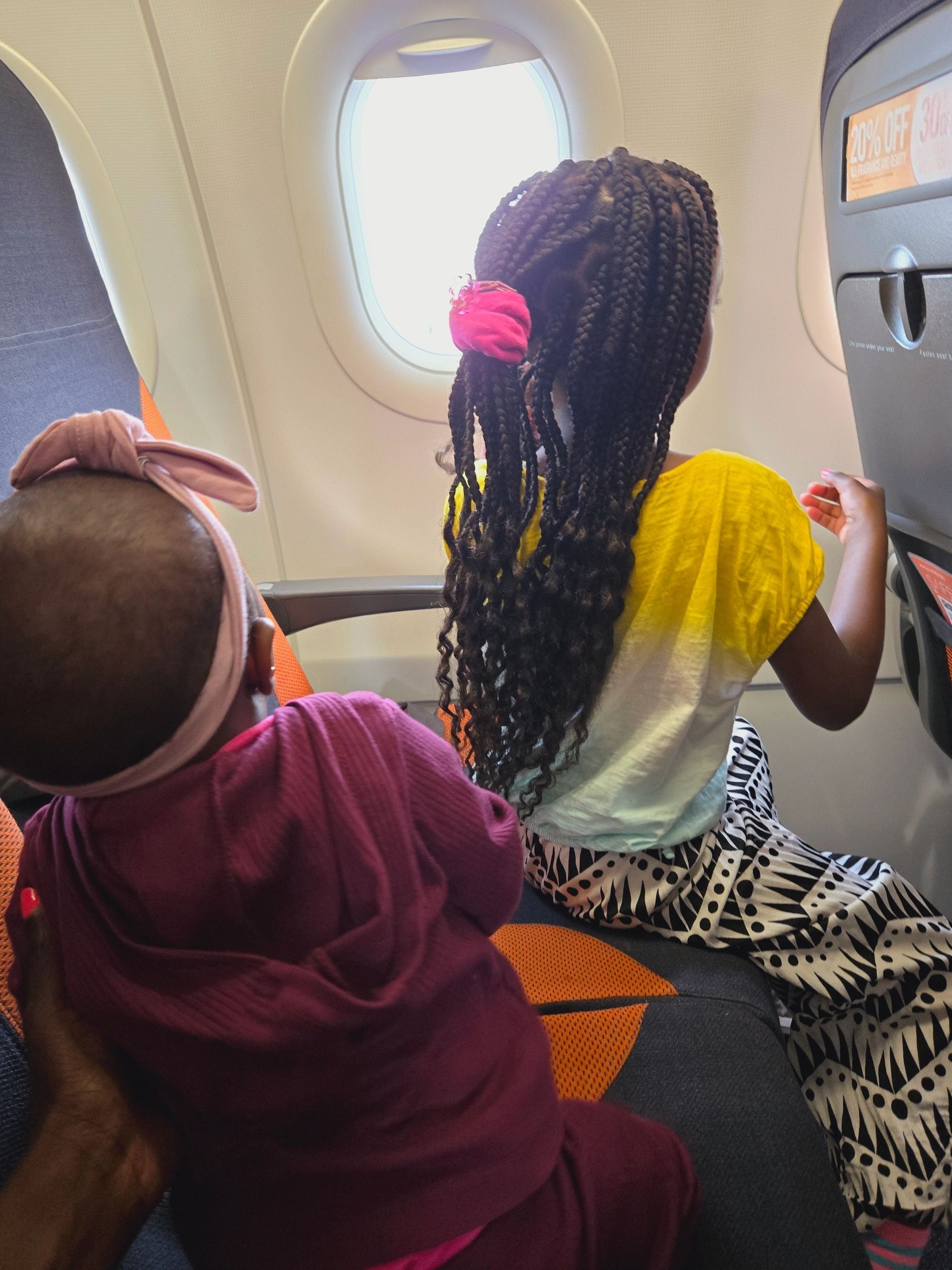
I have travelled with my kids since they were 3 months old and I used to worry about how to keep them entertained. The hardest age is between 1 to 3 years old when they are always moving. Also, one thing I learned is to not overpack toys or activities, kids will play with anything in the plane like an empty water bottle or just people watch.
Here’s an age-by-age guide to help you keep your little ones engaged during those hours in the sky.
Infants (6-12 months): Focus on Comfort
At this stage, your baby doesn’t need much in the way of “entertainment,” but you can still make sure they’re comfortable and content. Simple sensory toys or soft teething rings are great for keeping them calm. Here are a few essentials:
-Teething rings for soothing gums.
-Soft sensory toys to keep their hands busy.
-Pacifiers or comfort blankets for added security.
-Interactive soft books with textures they can explore.
Tip: Don’t worry about overstimulation—comfort is key for infants on flights!
Toddlers (1-3 years): Keep It Simple and Engaging
Toddlers are a ball of energy, and keeping them entertained can feel like a full-time job! At this stage, it’s all about hands-on activities that grab their attention, plus a little screen time for when they need a break.
-Interactive books with flaps and textures.
-Stickers and a blank notepad – endless fun!
-Small puzzles or shape-sorting toys.
-Favorite snacks for distraction and a bit of fun.
-Tablet with short videos or toddler-friendly apps (limit screen time, of course).
Tip: Rotate activities every 15-20 minutes to keep your toddler engaged.
Preschoolers (3-5 years): Hands-on Fun
Preschoolers are a bit more independent and can enjoy activities that require more focus. Here’s what to pack:
-Travel-sized games like magnetic puzzles or tic-tac-toe.
-Coloring books and washable markers or crayons.
-Activity packs with word searches or matching games.
-Educational games or shows on a tablet – perfect for longer flights.
Tip: Introduce new toys or activities during the flight to keep things exciting!
My free pre-travel checklist is the list I use for every trip. You can get it here.
School-aged Kids (5+ years): Independent Play
Older kids are more likely to entertain themselves, but a few well-chosen activities can help prevent boredom.
-Card games like Uno or Go Fish.
-Journals or notebooks where they can write about their trip.
-Scavenger hunt lists to keep them engaged during the flight.
-Tablet with movies, books, or games for those long stretches.
Tip: Encourage them to keep a travel journal to record their adventures and what they’re excited to see at the destination.
This post contains affiliate links. If you book or buy through them, I may earn a small commission at no extra cost to you.
Have you ever boarded a plane with your kids, ready for takeoff, only to be stuck on the tarmac for what feels like an eternity? If you have traveled with kids, you know this can turn into a mini-crisis real fast.
One moment, everyone is excited about the adventure ahead, and the next, you are trying to keep your little ones entertained in a cramped space, with no sign of takeoff.
I have been there too—unprepared, tired, and wishing I had thought ahead. After a few tough lessons, I have learned what really helps when the plane just won’t leave the runway. Here are my top tips to help parents survive those dreaded tarmac delays:
1. Pack Extra Snacks
It sounds simple, but you would be surprised how quickly kids can get hungry. And when the plane is not moving, their patience runs thin! Pack a variety of easy-to-eat, mess-free snacks like crackers, fruit pouches, or granola bars. Having a mix will help keep them distracted, and you won’t have to rely on the airline for food that may not come right away.
2. Portable Entertainment is Key
When electronics fail or boredom hits, be ready with offline games or apps already downloaded to your phone or tablet. But do not rely only on screens—have some non-digital activities like coloring books, small toys, or sticker sets to keep them occupied. Sometimes, the novelty of something physical can make all the difference.
3. Bring Comfort Items
Kids tend to get antsy when they are in unfamiliar places, and a delay on the plane is no exception. Bring along something that makes them feel at ease, like their favorite blanket, stuffed animal, or even a small pillow. A little bit of home can go a long way in helping them stay calm.
4. Get the Wiggles Out Before Boarding
If you have time before you board, let the kids walk around the terminal, stretch their legs, or even do some fun airport exercises! It helps burn off extra energy so they aren’t as restless when you are all confined to the airplane seats.
5. Do Not Forget Wipes and Hand Sanitizer
You will want these essentials close by, especially when the restrooms aren’t accessible during the delay. Wet wipes are great for quick clean-ups, and hand sanitizer is a must for keeping germs at bay. Plus, it is an easy way to freshen up when you are stuck in one spot for too long.
6. Patience and Positivity
This might be the hardest one to practice, but staying calm and positive really helps! Kids often reflect our emotions, so if you are calm and keeping things light, they are more likely to follow suit. Bring a sense of humor to the situation, and try to make it an adventure. After all, what else can you do?
7. Pack an Emergency Kit
Be sure to have a small “emergency kit” in your carry-on. Include basics like pain relievers (for both you and the kids), band-aids, an extra diaper or two, and anything else you might need if the delay stretches longer than expected. Trust me, it is better to be over-prepared than to be stuck without something essential.
8. Bring a Water Bottle
Here is a tip I learned the hard way: many airlines will not serve water until the plane is in the air. So, make sure you fill up a reusable water bottle after security or buy a bottle before boarding. Staying hydrated is crucial for both you and your kids—especially when you are stuck waiting in a hot, stuffy plane.
This post contains affiliate links. If you book or buy through them, I may earn a small commission at no extra cost to you.
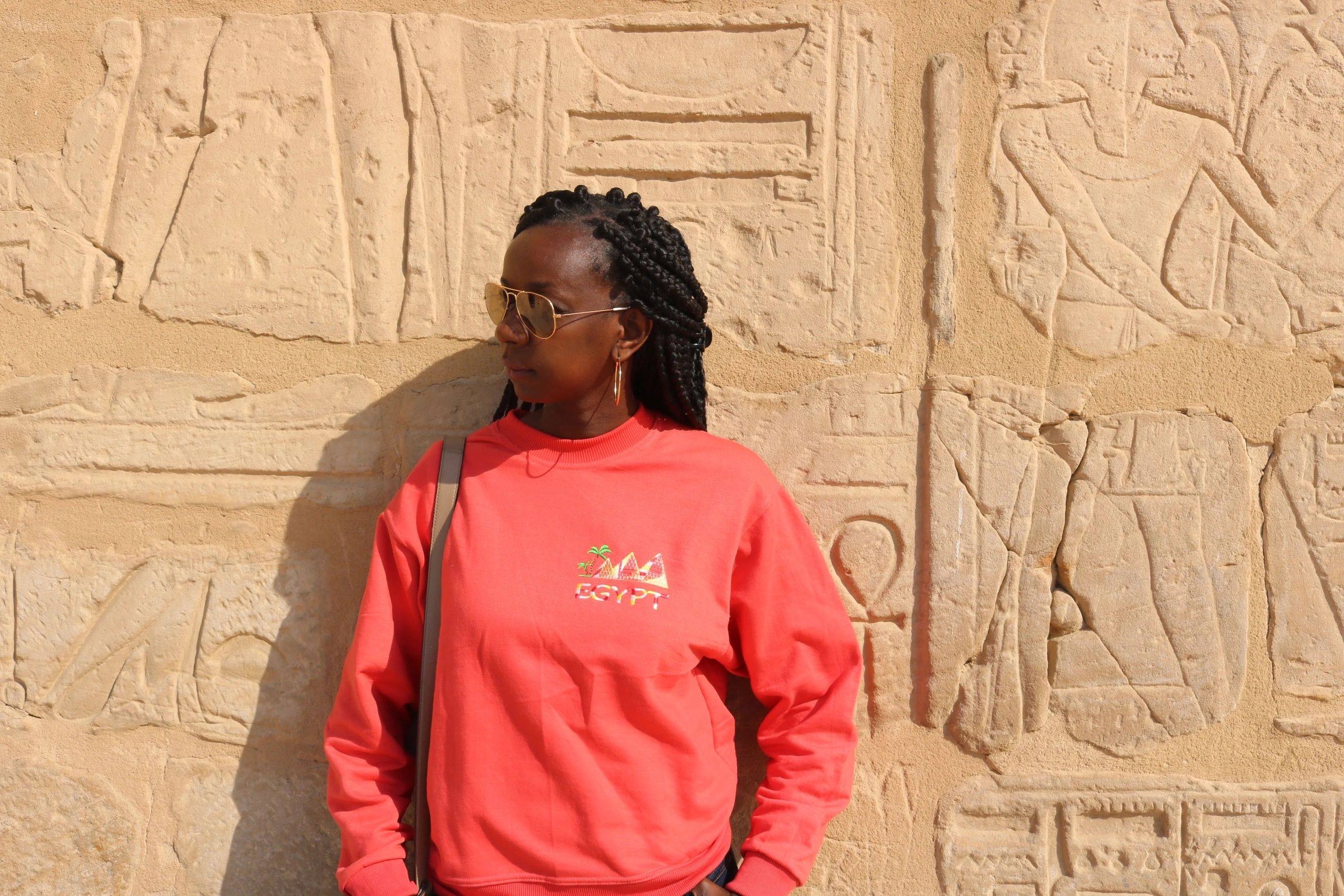
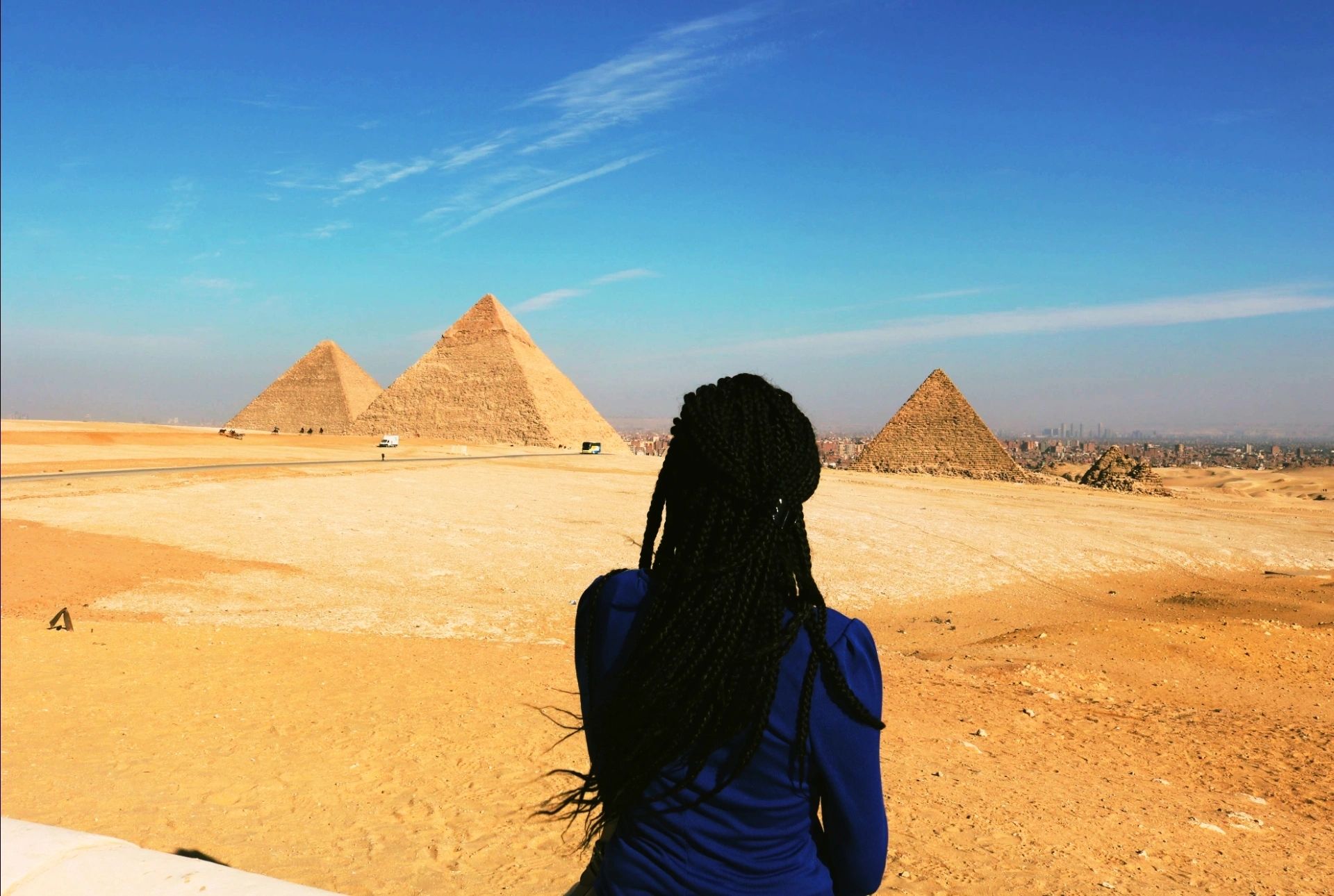
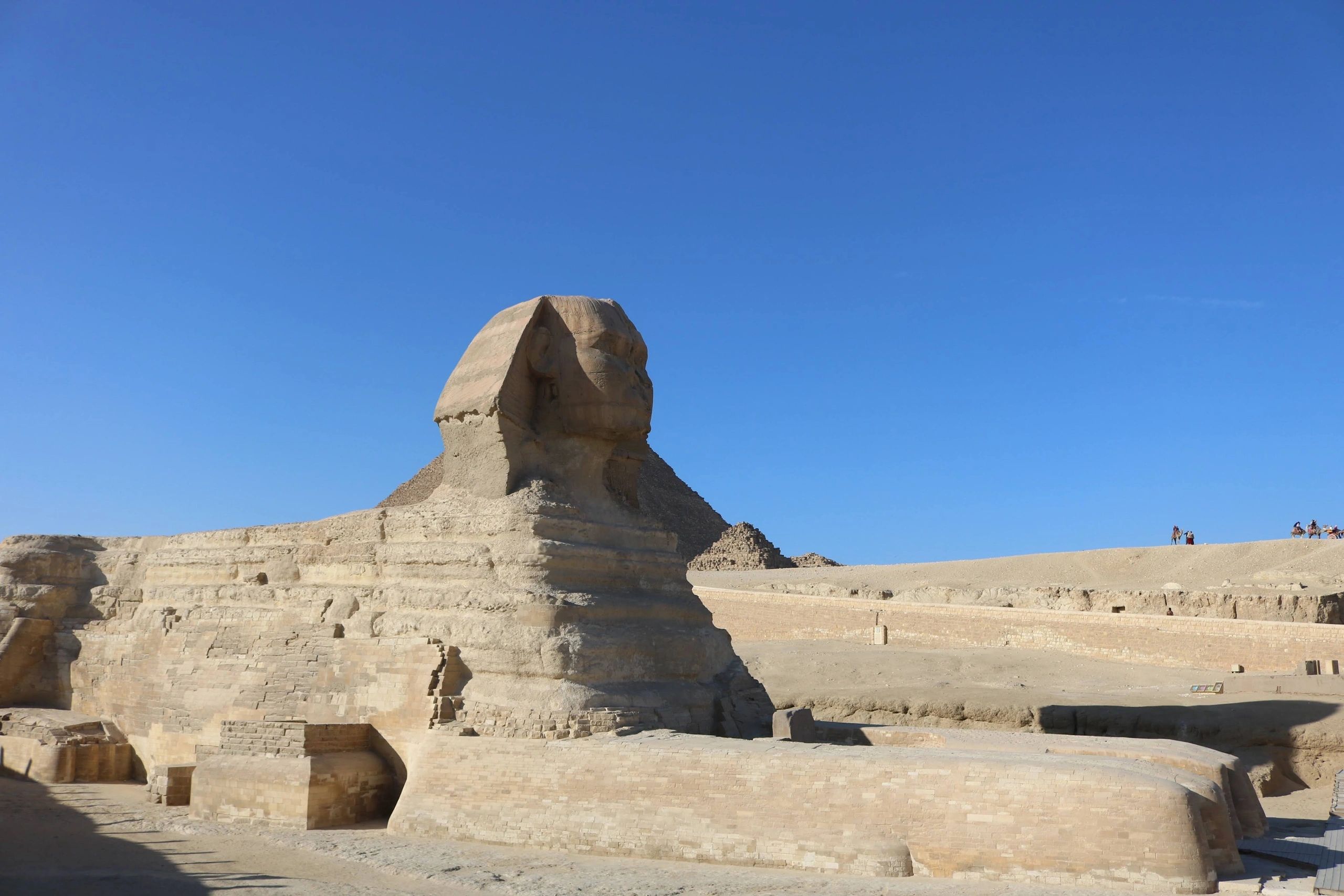
Egypt is an incredible destination for families, offering a mix of ancient wonders, cultural experiences, and plenty of adventure. One of my favorite trips in Africa! There is so much to do and I cannot wait to go back
This guide includes a detailed 5-day itinerary across Cairo and Luxor, with options to explore more cities like Aswan, Alexandria, and Hurghada. Along with the best travel routes, I have added special tips for families to make your trip even more enjoyable and stress-free and also links of activities to do (affiliate links).
-Citadel of Salah El-Din & Mosque of Muhammad Ali: Explore this historic fortress and enjoy stunning panoramic views of Cairo.
-Khan El Khalili Bazaar: Wander through this lively market, where you can buy local crafts, spices, and souvenirs.
-Coptic Cairo: Visit the Hanging Church and Ben Ezra Synagogue to experience Cairo’s rich Christian and Jewish history.
Day 3: Cairo to Luxor – Evening at Luxor Temple
-Flight to Luxor: We flew with EgyptAir, which offers multiple daily flights between Cairo and Luxor. It’s a convenient 1-hour journey.
-Other Travel Option: For a more scenic option, you can also take a Nile River cruise aboard a felucca or a larger cruise ship from Cairo to Luxor. This option takes several days and includes stops at key landmarks along the way.
-Luxor Temple: Visit this magnificent temple in the evening when it’s beautifully illuminated, creating a magical atmosphere.
-Valley of the Kings: Walk through the Valley of the Kings and discover the burial tombs of ancient pharaohs, including the famous tomb of King Tutankhamun.
-Karnak Temple: Visit this colossal temple complex dedicated to the gods of ancient Egypt.
Day 5: Luxor – Scenic Nile Views and Felucca Ride
-Colossi of Memnon: See these towering stone statues, which once guarded the ancient city of Thebes.
-Nile Felucca Ride: End your trip with a serene sail along the Nile on a traditional felucca boat, taking in the beautiful surrounding landscapes. We had a nice lunch !
-Philae Temple: Visit this breathtaking temple dedicated to the goddess Isis, located on an island.
-Aswan High Dam: Learn about the significance of the dam and its impact on the Nile River.
-Unfinished Obelisk: Explore this massive ancient obelisk that was never completed, offering insight into the stone-carving techniques of the time.
-Nubian Village: Take a boat ride to a Nubian village and experience their vibrant culture and traditions. Abu Simbel
-Abu Simbel Temples: These monumental temples of Ramses II and Nefertari, carved into the mountainside, are an absolute must-see. They were relocated to prevent flooding from Lake Nasser.
Alexandria
-Library of Alexandria: Visit the modern version of the famous ancient library, now a cultural and knowledge hub.
-Qaitbay Citadel: Explore this fortress built on the ruins of the ancient Lighthouse of Alexandria, one of the original Seven Wonders of the Ancient World.
-Roman Amphitheater: Discover the well-preserved ruins of a Roman theater in the heart of Alexandria.
Sharm El-Sheikh
-Ras Mohammed National Park: A top spot for snorkeling and diving with stunning coral reefs and marine life.
-Naama Bay: Relax on the beaches or stroll along this bustling waterfront filled with cafes, shops, and restaurants.
-Desert Safari: Take a quad bike or camel ride through the Sinai Desert, ending with a traditional Bedouin dinner under the stars.
-Glass-Bottom Boat Tour: A perfect family-friendly way to explore the underwater world without snorkeling.
-St. Catherine’s Monastery: Day trip to one of the oldest Christian monasteries in the world, located at the base of Mount Sinai.
Hurghada
-Red Sea Beaches: Relax on beautiful sandy beaches or enjoy snorkeling and diving in the crystal-clear waters of the Red Sea.
-Giftun Island: A popular spot for snorkeling and diving excursions.
-Desert Safari: Go on a thrilling desert adventure by quad bike or camel.
Traveling Between Cities in Egypt
-Cairo to Luxor: We flew with EgyptAir, which offers multiple flights daily between Cairo and Luxor, making it the quickest option. The flight is just around an hour.
-Alternative Option: A Nile River cruise from Cairo to Luxor is a scenic and relaxing way to travel, although it takes several days. Cruises often include stops at key historical sites along the way, offering a unique travel experience.
-Luxor to Aswan: The best way to travel between Luxor and Aswan is by Nile cruise, which typically lasts 3 to 7 days, with stops at significant temples such as Edfu and Kom Ombo. Alternatively, you can take a train or hire a private driver.
-Cairo to Alexandria: The most convenient way to get from Cairo to Alexandria is by train, which takes about 2 to 3 hours. You can also opt for a private car or bus service.
-Hurghada: From Cairo or Luxor, you can travel to Hurghada either by bus or by a domestic flight, depending on your preference. Private transfers are also available for those who prefer a more comfortable journey.
Family Travel Tips for Egypt
Traveling with kids in Egypt can be a rewarding experience, but here are some additional tips to help families make the most of their trip:
1. Safety and Security
Egypt is generally safe for families, but it’s important to stay vigilant, especially in crowded areas like markets. Keep valuables secure and always know where your kids are in busy tourist spots.
2. Family-Friendly Hotels
When booking hotels, look for family-friendly amenities such as swimming pools, kids’ clubs, and babysitting services. Many larger hotels in Cairo, Luxor, and Hurghada cater well to families with young children.
3. Managing Long Days
Touring Egypt often involves long days, so pack snacks, water, and sunscreen to keep the family comfortable. A lightweight stroller or baby carrier is useful for younger children when visiting large sites like Karnak Temple.
4. Fun Family Activities
Felucca Rides: A peaceful boat ride on the Nile is a great way to relax with kids.
Camel Rides: Kids will love the excitement of riding a camel near the pyramids or in Aswan.
Beaches: Spend a few days in Hurghada, where the family can enjoy the beach and water activities like snorkeling and glass-bottom boat tours.
5. Health and Hydration
Water: Make sure the family stays hydrated, especially in hot weather. Always drink bottled water.
Restrooms: Public restrooms may not always be up to Western standards, so use facilities in tourist attractions, hotels, or restaurants when available.
Food: Stick to freshly cooked food from reputable restaurants, especially for kids with sensitive stomachs. Be cautious with street food.
6. Transportation
Booking private transfers is often the most convenient option for families, especially when traveling between cities. Many local travel agencies offer packages that include drivers, guides, and transportation, making it easy to get around without the stress of navigating public transport.
7. Cultural Sensitivity
Teach kids about local customs and encourage respectful behavior, especially when visiting religious sites like mosques or ancient monuments.
8. Local Travel Agencies
Consider booking your trip through a local travel agency, which can organize everything for you—from airport pickups to private drivers and guided tours. This takes away the stress of coordinating transportation and tickets, leaving you more time to enjoy the experience with your family.
Common Questions about Traveling to Egypt
1. Is Egypt safe for tourists?
Yes, Egypt is generally safe for tourists, especially in popular tourist areas like Cairo, Luxor, and the Red Sea resorts. However, it’s always good to stay vigilant, avoid political demonstrations, and follow the advice of local authorities and your embassy.
2. What is the best time to visit Egypt?
The best time to visit Egypt is from October to April when the weather is cooler and more comfortable for exploring outdoor sites like the pyramids. Summers can be extremely hot, especially in the south around Luxor and Aswan.
3. Do I need a visa to visit Egypt?
Most tourists require a visa to enter Egypt, which can be obtained on arrival or online through Egypt’s e-Visa system. Check with your local Egyptian embassy for specific entry requirements.
4. What should I wear in Egypt?
Egypt is a conservative country, so it’s respectful to dress modestly, especially when visiting religious sites. For women, covering shoulders and knees is advisable, while lightweight, breathable fabrics are best for the hot weather. At beach resorts, swimwear is fine.
5. How do I travel between cities in Egypt?
The most common ways to travel between cities like Cairo, Luxor, Aswan, and Hurghada are domestic flights (via EgyptAir), trains, or Nile River cruises. Taxis and buses are also available, but private transfers are recommended for comfort and convenience.
6. Can I ride a camel at the pyramids?
Yes, camel rides are available near the Pyramids of Giza. Just make sure to negotiate the price beforehand and use a licensed guide to ensure a fair price and a good experience.
7. What are the best family-friendly activities in Egypt?
Families love the Pyramids of Giza, Nile River cruises, and beach resorts like Hurghada and Sharm El-Sheikh. Many family-friendly resorts offer kids’ activities, pools, and even babysitting services.
Top Tourist Attractions in Egypt
1. Pyramids of Giza: The most iconic landmark of Egypt, located just outside Cairo. Visitors come to marvel at the Great Pyramid, the Sphinx, and the surrounding smaller pyramids.
2. The Egyptian Museum (Cairo): Home to thousands of ancient artifacts, including the treasures of King Tutankhamun. A must-see for history lovers.
3. Karnak Temple (Luxor): One of the largest temple complexes in the world, filled with massive columns, statues, and obelisks. It’s an awe-inspiring testament to ancient Egyptian religious architecture.
4. Valley of the Kings (Luxor): The burial place of many pharaohs, including King Tutankhamun. Visitors can explore the tombs and admire the ancient paintings and hieroglyphics.
5. Abu Simbel: Located near the Sudanese border, these enormous rock temples of Ramses II and Queen Nefertari are a marvel of ancient engineering.
6. The Citadel of Salah El-Din (Cairo): A historic Islamic fortress offering stunning views of Cairo. The Mosque of Muhammad Ali within the citadel is one of the city’s most recognizable landmarks.
7. Ras Mohammed National Park (Sharm El-Sheikh): A world-renowned spot for snorkeling and diving with vibrant coral reefs and colorful marine life.
8. Philae Temple (Aswan): A beautiful temple complex dedicated to the goddess Isis, located on an island and accessible by boat.
9. Sharm El-Sheikh: A popular resort town on the Red Sea, perfect for relaxation, snorkeling, diving, and desert safaris.
10. Coptic Cairo: Visit historic religious sites such as the Hanging Church, Ben Ezra Synagogue, and St. Sergius Church, which are part of Egypt’s rich Christian and Jewish history.
Sharing my favorite family activities in the Niagara Region
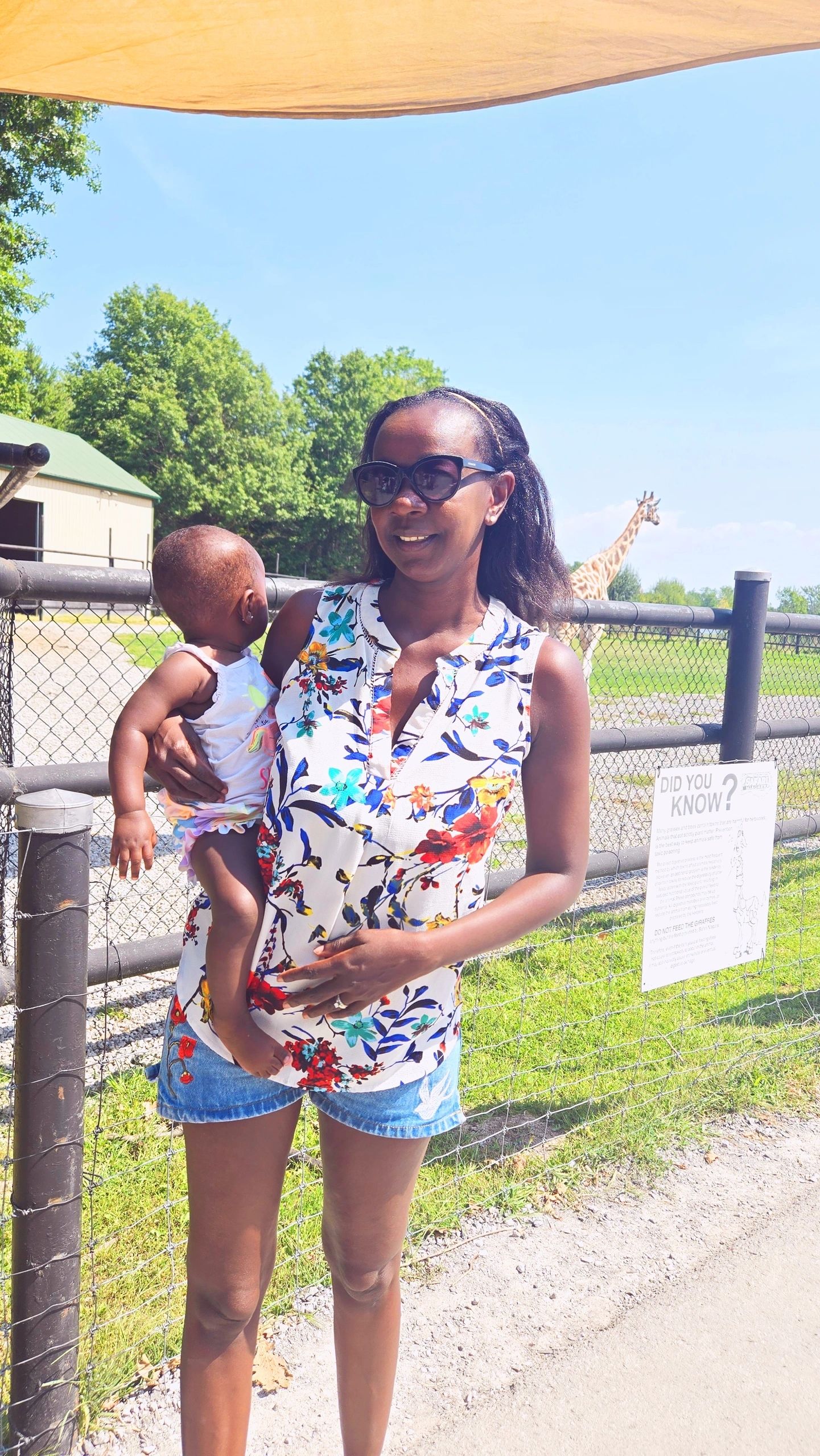
Safari Niagara
Distance from Niagara Falls: Approximately 15 miles (24 kilometers), about a 25-minute drive.
Cost of Entry: Around $34.95 for adults and $27.95 for children aged 3-12. Children under 2 are usually free. Prices may vary, so it’s advisable to check their official website for the most current rates or book here.
What to Do: Safari Niagara is a 150-acre nature park home to over 1,000 animals, birds, and reptiles. Families can enjoy interactive exhibits, animal feedings, and educational shows. There’s also a splash pad, paddle boats, and playgrounds. The Gator Express tram provides guided tours around the park, making it easier to see all the attractions.
2. Niagara Parks Butterfly Conservatory
Distance from Niagara Falls: Just 6 miles (10 kilometers) north of the falls, about a 10-minute drive.
Cost of Entry: Approximately $17 for adults and $11 for children aged 6-12. Children under 5 are free. Book here.
What to Do: Walk through a tropical rainforest setting where over 2,000 butterflies fly freely. The conservatory features winding pathways, waterfalls, and lush vegetation. It’s an educational experience where kids can learn about the life cycle of butterflies and the importance of conservation.
3. Niagara Glen Nature Centre
Distance from Niagara Falls: About 5 miles (8 kilometers) north of the falls, roughly a 10-minute drive.
Cost of Entry: Free admission. Parking fees may apply, typically around $1-$2 per hour.
What to Do: Explore well-marked hiking trails that descend into the Niagara Gorge. The trails offer stunning views of the Niagara River and unique geological formations. It’s a great spot for kids to learn about local plants, insects, and wildlife. Guided hikes are sometimes available for a more informative experience.
4. Queenston Heights Park
Distance from Niagara Falls: Approximately 7 miles (11 kilometers) north of the falls, about a 15-minute drive.
Cost of Entry: Free admission. Parking may cost around $5-$10 depending on the season.
What to Do: Enjoy a picnic in this historic park, which offers panoramic views of the Niagara River. The park features open green spaces, a large playground, tennis courts, and picnic pavilions. History buffs can visit Brock’s Monument and learn about the Battle of Queenston Heights from the War of 1812. There are also walking trails suitable for all ages.
5. Heartland Forest Nature Experience
Distance from Niagara Falls: Roughly 8 miles (13 kilometers) west of the falls, about a 15-minute drive.
Cost of Entry: Free admission, though donations are appreciated to support their programs.
What to Do: This 200-acre natural area offers accessible trails, a butterfly garden, and extensive playgrounds. Kids can participate in educational programs, explore the tree house, and engage in hands-on activities like scavenger hunts. It’s an ideal place for families to connect with nature and learn about environmental stewardship.
These activities provide a mix of adventure, education, and natural beauty, ensuring a memorable experience for the whole family while exploring the Niagara region. Always remember to check the latest information on operating hours and safety guidelines before visiting.
This post contains affiliate links. If you book or buy through them, I may earn a small commission at no extra cost to you.
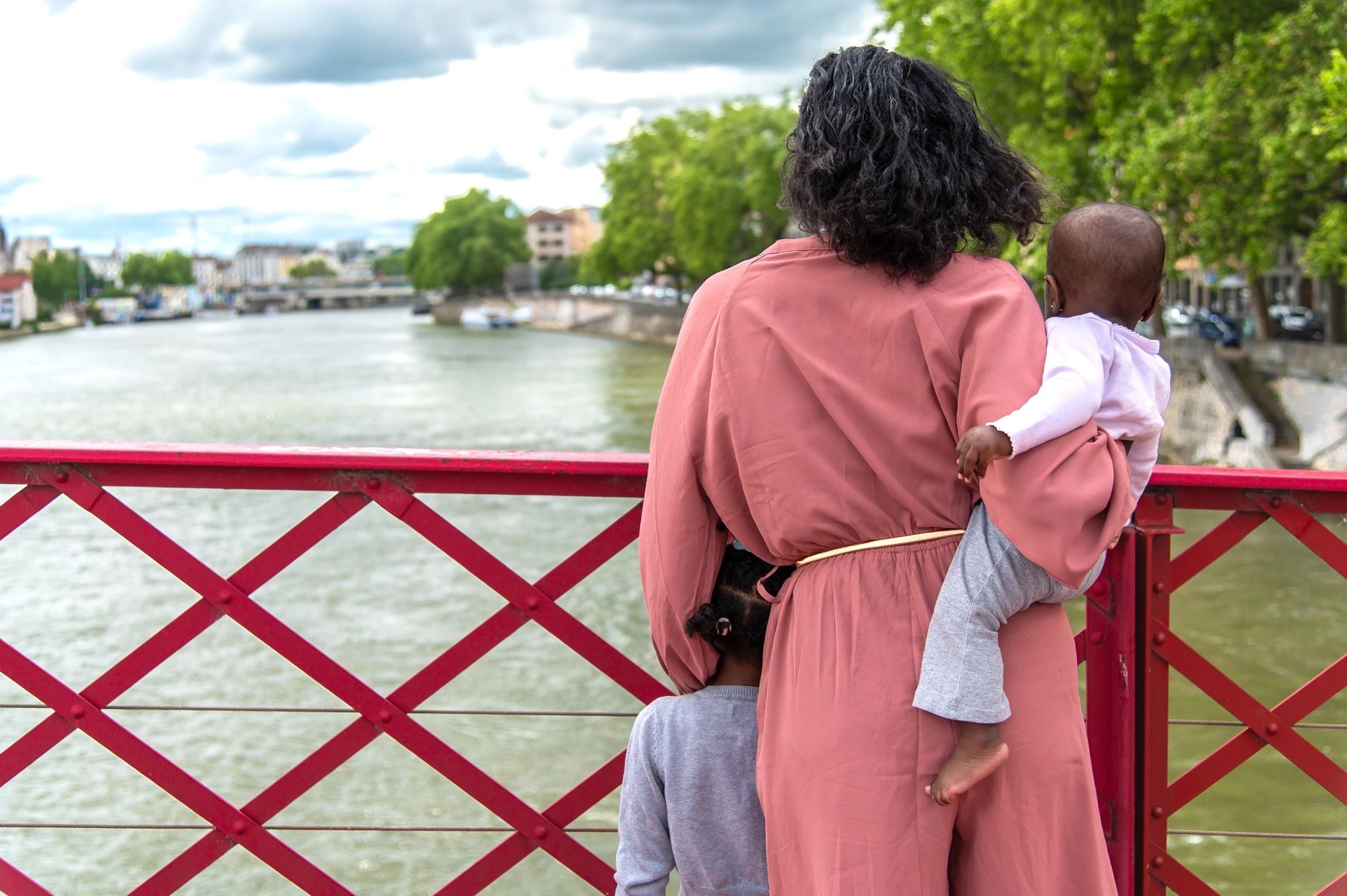
France is a country that offers much more than just the allure of its big cities. If you’re visiting a bustling metropolis like Paris, Lyon, or Nice, there are charming small towns nearby that make for the perfect day trip. Whether you’re in search of nature, history, or coastal relaxation, these escapes will provide a much-needed contrast to city life.
Here’s a guide to some of the best small towns you can visit from major French cities with some tips to make the best of your stay:
1. Paris: Giverny, Fontainebleau, Chartres
From Paris, you can easily escape to the serene countryside. Giverny is home to Monet’s famous gardens, a perfect spot for art and nature lovers. If you’re more into royal history and grand architecture, Fontainebleau offers a stunning palace and forest ideal for exploration. Lastly, Chartres is known for its magnificent cathedral, a UNESCO World Heritage Site and a masterpiece of Gothic architecture.
2. Lyon: Annecy, Pérouges, Vienne
Annecy, also known as the “Venice of the Alps,” is a breathtaking lakeside town with canals, perfect for a leisurely boat ride. Pérouges is a well-preserved medieval village, offering a step back in time, while Vienne boasts impressive Roman ruins, including an ancient theater.
3. Nice: Monaco, Antibes, Èze
From the sun-soaked beaches of Nice, head to Monaco for a taste of luxury and grand casinos. If you prefer something more low-key, Antibes offers a beautiful old town and coastline. For those craving breathtaking views, the medieval hilltop village of Èze won’t disappoint, with panoramic views of the French Riviera.
4. Marseille: Cassis, Aix-en-Provence, La Ciotat
Cassis is the ideal seaside escape with its stunning calanques (limestone cliffs and turquoise waters). If you’re in the mood for culture and markets, Aix-en-Provence is known for its beautiful architecture and vibrant art scene. For a more relaxed beach day, La Ciotat offers scenic beauty and peaceful shores.
5. Bordeaux: Saint-Émilion, Arcachon, Blaye
Wine enthusiasts will love a trip to Saint-Émilion, a charming village known for its vineyards and cellars. If you’re looking for coastal fun, head to Arcachon, home to the impressive Dune of Pilat. Blaye is another great option, offering a mix of history and wine with its citadel and surrounding vineyards.
6. Toulouse: Albi, Carcassonne, Montauban
Just outside Toulouse, Albi is a UNESCO World Heritage town famous for its cathedral and the Toulouse-Lautrec Museum. Carcassonne offers one of Europe’s most impressive medieval fortified cities, while Montauban combines historic charm with a lively cultural scene.
7. Nantes: Clisson, Guérande, Pornic
Clisson brings a touch of Italy to France with its Tuscan-inspired architecture. For a unique visit, explore the salt marshes and medieval ramparts of Guérande, or head to Pornic for a relaxed seaside escape.
8. Strasbourg: Obernai, Colmar, Riquewihr
In the Alsace region, Obernai is a picturesque village with half-timbered houses, while Colmar is a fairy-tale-like town known for its charming canals and colorful buildings. Riquewihr is another hidden gem, with its well-preserved medieval streets.
9. Lille: Arras, Roubaix, Tournai
A short trip from Lille, Arras offers impressive grand squares and WWI history. For art and design lovers, Roubaix is home to La Piscine, a beautiful art deco swimming pool turned museum. Tournai, just across the Belgian border, is known for its historic cathedral and belfry.
10. Montpellier: Aigues-Mortes, Sète, Nîmes
From Montpellier, venture to Aigues-Mortes, a stunning medieval walled city surrounded by salt marshes. Sète offers seaside charm with a canal-lined town and seafood delicacies, while Nîmes is rich with Roman history, including an ancient amphitheater.
How to Travel Between Cities: Train Tips for France
Traveling by train in France is one of the most efficient ways to explore the country. Here’s how to make the most of it:
– Book Early for the Best Deals: France’s high-speed trains (TGV) are perfect for city-to-city travel. Booking early on the SNCF website or app ensures you get the best prices, especially for longer trips like Paris to Nice or Lyon.
-Use Rail Passes for Multiple Cities: If you plan to visit several cities like Marseille, Lyon, or Bordeaux, consider purchasing a Eurail or Interrail Pass. These passes give you flexibility with unlimited train travel for certain periods.
-Take Regional Trains (TER): If your destination is a small town like Giverny, Annecy, or Fontainebleau, the TER trains are a convenient option. They are slower but connect you to the beautiful French countryside.
-Don’t Forget About Train Stations: Larger cities like Paris have multiple stations. Make sure you know which one you’re departing from (e.g., Gare de Lyon for trains to Lyon, Nice, or Marseille).
-Family-Friendly Tip: Many TGVs have quiet zones and baby-changing areas, making them great for traveling with kids.
What to Pack for Day Trips in France
When exploring the picturesque small towns of France, here are essentials to keep in your day trip bag:
-Comfortable Walking Shoes: Whether you’re strolling through the gardens of Giverny or hiking around Lake Annecy, a good pair of shoes is a must for navigating cobblestone streets and uneven paths.
-Reusable Water Bottle: Many French towns have fountains where you can refill, especially in places like Paris or Strasbourg. Stay hydrated as you explore!
-Compact Umbrella: Weather in France can be unpredictable, especially in cities like Paris or Lyon. A small umbrella or rain jacket will save the day.
-Cash and Credit Cards: Some smaller towns like Pérouges or Clisson may not have many ATMs or may prefer cash in local shops or markets, so carry both for convenience.
-Travel Guide or Offline Maps: Having a map of the local area, especially when traveling to places like Riquewihr or La Ciotat, can be handy if you don’t have phone service.
Renting a Car in Small Towns
If you’re planning on visiting smaller, less accessible towns like Riquewihr or Pérouges, renting a car might be a good idea. Some tips to keep in mind:
-Book in Advance: Car rentals can sell out in smaller towns, so reserve early, especially in peak seasons.
-Get Familiar with French Driving Laws: Make sure to learn about speed limits, tolls (often found on highways between big cities and towns), and parking rules.
-Consider an Automatic Car: Most rentals in France are manual, so if you prefer automatic, request one ahead of time.
Best Times to Visit Small Towns
France’s small towns can change drastically depending on the season:
-Spring (April to June): Ideal for visiting places like Giverny to catch Monet’s gardens in full bloom or Annecy to enjoy pleasant weather by the lake.
-Summer (July to August): Perfect for coastal towns like Antibes or Cassis, but be prepared for higher prices and crowds.
-Fall (September to October): A quieter time to visit towns like Saint-Émilion and experience the wine harvest.
-Winter (November to March): Towns like Strasbourg and Colmar are magical during the Christmas season, with markets and festive decorations.
Language Tips
While you can get by with English in big cities, it’s always helpful to know some basic French phrases when visiting smaller towns:
-Learn Key Phrases: Greetings like “Bonjour” and polite expressions such as “S’il vous plaît” (please) and “Merci” (thank you) go a long way in small towns where English might be less common.
-Offline Translator Apps: Use apps like Google Translate offline for quick translations, especially if you need to ask for directions or read menus.
Must-Try Regional Food in French Towns
Part of the fun of traveling in France is indulging in the local cuisine. Here’s what to try in some of these small towns:
-In Giverny: Try local Normandy cheeses like Camembert or Livarot, and don’t miss the delicious apple tarts, a regional specialty.
-In Lyon: Known as the gastronomic capital of France, you’ll want to try classic dishes like quenelles (fish dumplings) or cervelle de canut, a creamy cheese spread, at a traditional bouchon restaurant.
-In Saint-Émilion: Pair your wine-tasting experience with local delicacies like macarons (not the Parisian type!) or a freshly baked canelé.
-In Nice: Dive into the flavors of the French Riviera by trying socca, a chickpea pancake, or a refreshing salade niçoise.
This post contains affiliate links. If you book or buy through them, I may earn a small commission at no extra cost to you.
Planning a family trip to Orlando? You’re in for an unforgettable adventure! With so many theme parks, attractions, and nearby day trips, Orlando offers the perfect mix of excitement and relaxation. This 5-day itinerary covers the best Orlando has to offer and even includes a fun-filled day trip to Tampa.
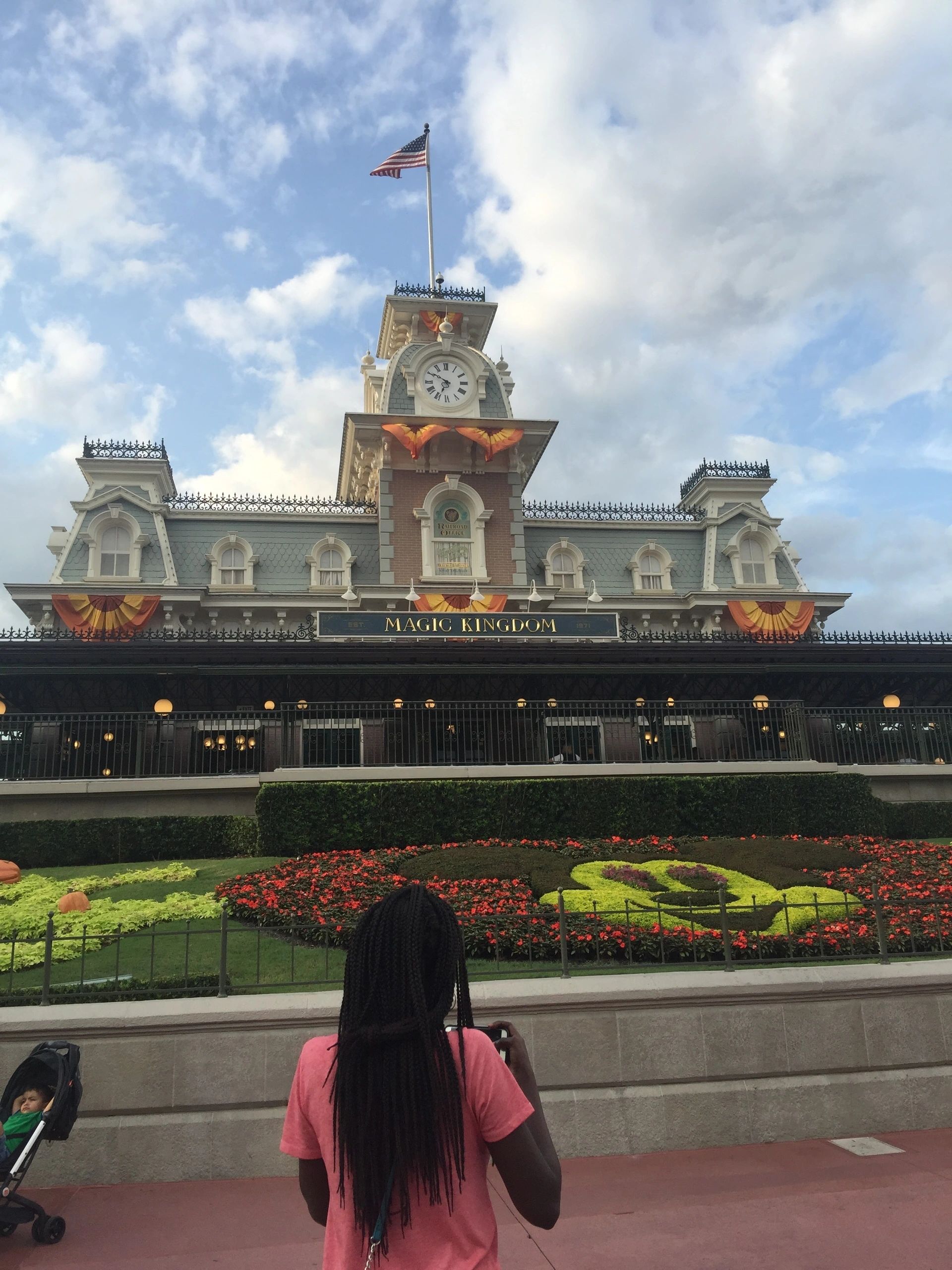
Fun fact: I lived and worked in Orlando! I loved visiting Disney anytime I could!
Whether you’re visiting Disney for the first time or returning for more magic, this guide will help you plan the ultimate family vacation!
Day 1: Magic Kingdom at Walt Disney World
Kick off your Orlando vacation with a day filled with magic at Magic Kingdom! That first glimpse of Cinderella’s Castle is sure to excite the whole family.
Must-Do Activities:
Ride family favorites like Dumbo the Flying Elephant, Pirates of the Caribbean, and Peter Pan’s Flight.
Meet beloved characters such as Mickey, Minnie, and the Disney princesses.
Enjoy the Festival of Fantasy Parade in the afternoon. One of my favorite!
End your day with the stunning Happily Ever After fireworks show.
Tip: Book your Genie+ passes early to maximize your time and avoid long waits for popular rides.
Day 2: Epcot at Walt Disney World
After a magical day at Magic Kingdom, explore the wonders of Epcot! With its futuristic attractions and global experiences, this park offers fun and education for both kids and parents.
Must-Do Activities:
Ride Frozen Ever After and explore The Seas with Nemo & Friends.
Tour the World Showcase, sampling food from 11 countries. Kids will love the Kidcot Fun Stops for interactive activities.
Enjoy the Harmonious fireworks and water show on the World Showcase Lagoon in the evening.
Tip: Make dining reservations in advance, especially for popular restaurants like Akershus Royal Banquet Hall, where you can dine with Disney princesses.
Note: If you have extra days, consider visiting Hollywood Studios (home to Star Wars: Galaxy’s Edge and Toy Story Land) or Blizzard Beach/Typhoon Lagoon (Disney’s water parks), which offer unique family experiences.
Day 3: Day Trip to Tampa
Take a break from Orlando’s theme parks and explore nearby Tampa. A short 1.5-hour drive will lead you to a day packed with adventure and relaxation.
Must-Do Activities:
Start your day at Busch Gardens Tampa Bay for thrilling rides, live shows, and animal encounters.
After lunch, stroll along the scenic Tampa Riverwalk or visit The Florida Aquarium and MOSI (Museum of Science and Industry) for hands-on fun.
On your way back, stop at Clearwater Beach to relax on the soft white sand and catch a beautiful sunset.
Tip: Pack swimsuits, snacks, and sunscreen for your Tampa adventure!
Day 4: Universal Studios & Universal CityWalk
Switch gears and head to Universal Studios Orlando for a day of movie-themed fun! Ideal for families with older kids, but there’s still plenty for the little ones to enjoy too.
Must-Do Activities:
Explore Diagon Alley and ride Harry Potter and the Escape from Gringotts.
Younger kids will love Despicable Me Minion Mayhem and Woody Woodpecker’s KidZone.
After a fun-filled day, head to Universal CityWalk for an evening of dining and entertainment. Try The Toothsome Chocolate Emporium for sweet treats the whole family will love.
Tip: Download the Universal app to check ride wait times and plan your day efficiently.
This post contains affiliate links. If you book or buy through them, I may earn a small commission at no extra cost to you.
Canada is a country of incredible diversity, both in its landscapes and cultures. Having lived here for over 15 years, I have explored a lot of the country.
Whether you’re drawn to urban cities like Toronto or natural wonders like Banff and the Rocky Mountains, this guide has you covered.
Here’s everything I wish I knew before my first trip to Canada, along with must-visit cities, transportation, accommodations tips, family advice, and essential travel info.
If you like infographics, here is the link to my post on Instagram
1. Canada is Huge – Plan Your Travel Accordingly
Canada is the second-largest country in the world, and the distances between major cities are often underestimated. From someone who came from Europe, I was shocked!
Flying is the fastest way to get around, but it can be expensive (or cheaper if you collect travel points). Driving is great for regional trips, and train travel is available for scenic routes. Here are your main transportation options:
Flights: The main airlines are Air Canada, WestJet, and Air Transat. However, flights can be pricey, especially for long distances. It’s best to book in advance and consider flying multi-destination routes (e.g., fly into Toronto, drive to Montreal and Quebec City, and fly out of Quebec).
Driving: Perfect for exploring regions like Ontario or the Maritimes, driving allows for flexibility and stops along the way. For example, driving between Toronto and Montreal takes about 5 hours, making it ideal for a road trip.
Train: VIA Rail offers scenic train journeys, but keep in mind that trains are slower and cover only certain routes. Train travel is great for those wanting to see the countryside between destinations like Montreal and Quebec City. You may want to compare the prices, I found that sometimes its cheaper to drive.
Bus: For budget travelers, bus services like Greyhound and Megabus connect many Canadian cities. They’re a slower option but can be more affordable for short-to-medium distances, such as traveling between Toronto, Ottawa, and Montreal. This was my go to option when I was a student.
2. Choosing Your Season: Winter vs. Summer
Canada has extreme seasonal differences, so your experience will vary depending on when you visit. I mean the winters are cold! I wasn’t prepared for that when I moved here. Make sure to bundle up and wear layers (you will find that most indoor places during winter put the heat on, so wear layers)
Winter (December to February): Canada is known for its snowy winters, especially in cities like Montreal, Ottawa, and Quebec City. If you love winter sports like skiing and snowboarding, head to places like Banff or Whistler. Just be prepared for cold temperatures that can drop below -20°C!
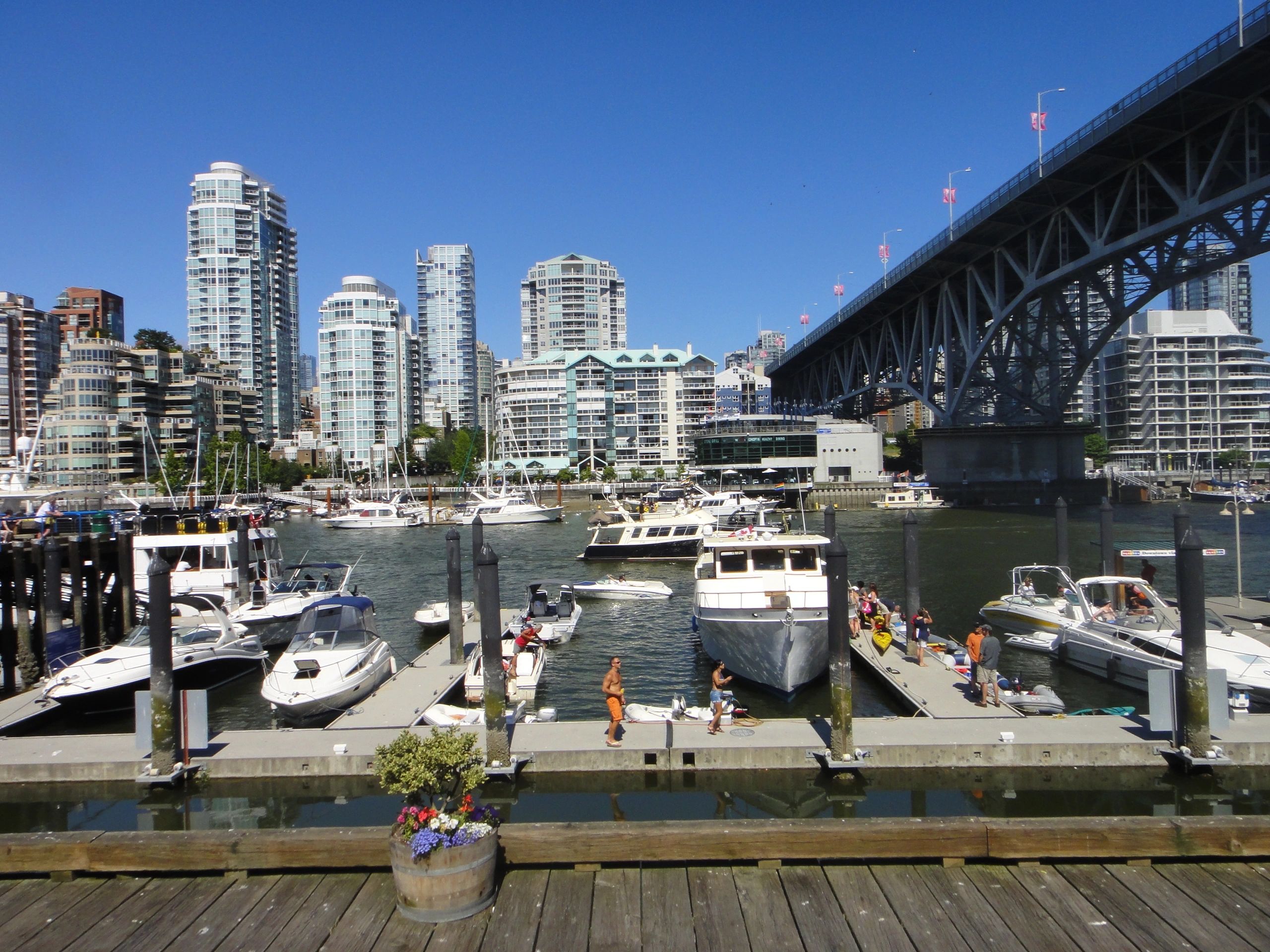
Summer (June to August): For outdoor activities and warmer weather, summer is ideal. This is the best time to visit cities like Vancouver, Toronto, or Halifax, with temperatures between 20-30°C. You can enjoy hiking, beach days, and national parks.
3. Must-Visit Cities in Canada
Here are the top cities you should visit in Canada, with a breakdown of indoor and outdoor activities, along with day trip recommendations.
Canada’s cultural capital, a city that blends European charm with modern flair, known for its festivals, historic architecture, and vibrant arts scene.
☆ Indoor: Biodome | Montreal Science Centre | Pointe-à-Callière Museum | Notre-Dame Basilica | Montreal Museum of Fine Arts | La Grande Roue de Montréal | Château Ramezay
☆ Outdoor: Old Montreal | Mount Royal | Lachine Canal | Jean-Talon Market | Parc La Fontaine | Botanical Garden | Atwater Market
☆ Day trips: Mont-Tremblant | Eastern Townships | Îles-de-Boucherville National Park | Oka National Park | Saint-Sauveur
Canada’s capital city, known for its historic landmarks, national museums, and picturesque parks along the Ottawa River.
☆ Indoor: Canadian Museum of History | National Gallery of Canada | Canadian War Museum | Parliament Hill (tours) | ByWard Market (indoor vendors) | Canada Aviation and Space Museum | Rideau Centre
☆ Outdoor: Rideau Canal | Parliament Hill (Changing of the Guard) | Major’s Hill Park | Gatineau Park | Dow’s Lake | Arboretum at the Central Experimental Farm | Ottawa River Pathway
☆ Day trips: Gatineau Park | Wakefield | Omega Park | Merrickville | Upper Canada Village | Mont-Tremblant
A bustling coastal city surrounded by mountains, Vancouver offers outdoor adventures, cultural diversity, and vibrant urban life.
☆ Indoor: Vancouver Aquarium | Science World | Museum of Anthropology | Vancouver Art Gallery | Bloedel Conservatory | FlyOver Canada | Vancouver Maritime Museum
☆ Outdoor: Stanley Park | Granville Island | Grouse Mountain | Kitsilano Beach | Capilano Suspension Bridge | Queen Elizabeth Park | VanDusen Botanical Garden
☆ Day trips: Whistler | Bowen Island | Squamish | Victoria | Garibaldi Provincial Park | Steveston Village
A cultural and historic hub of the prairies, Winnipeg offers fascinating museums and outdoor spaces to explore.
☆ Indoor: Canadian Museum for Human Rights | Manitoba Museum | Assiniboine Park Conservatory
☆ Outdoor: The Forks | Assiniboine Park Zoo | FortWhyte Alive
☆ Day trips: Riding Mountain National Park | Hecla Island | Gimli | Whiteshell Provincial Park
4. Day-to-Day Transportation Tips for Families
When visiting Canada, it’s important to understand how to get around each city on a daily basis. While public transit systems in larger cities are functional, they’re not always as efficient or extensive as those in Europe. Here’s what you need to know about navigating transportation in Canada:
Public Transit in Big Cities: Cities like Toronto, Montreal, and Vancouver have decent public transportation systems, but they tend to focus on the downtown core. These include subways, buses, and light rail. However, they may not cover all areas, especially outer neighborhoods, and can be less reliable than what you might expect in European cities.
Toronto: The TTC (Toronto Transit Commission) operates subway, streetcars, and buses. It’s great for getting around downtown, but beyond that, I will recommend a car.
Montreal: The STM (Société de transport de Montréal) runs a metro and bus system. The metro is a good option for central areas, but buses can be slow in traffic.
Vancouver: TransLink offers SkyTrain, buses, and ferries. The SkyTrain is fast and efficient, but buses might not serve all the suburbs well.
Consider Renting a Car: If you plan to explore beyond the city center or want flexibility, renting a car is highly recommended. Canada’s attractions, especially outside the cities, often require driving. For instance, if you’re in Toronto, driving to Niagara Falls or Blue Mountain is much easier by car.
Other City-Specific Transit Options:
Ottawa: The OC Transpo operates buses and a light rail system (O-Train), covering central Ottawa well. However, outer regions might require a car.
Quebec City: Public transport is mostly bus-based with the RTC (Réseau de transport de la Capitale), but renting a car is preferable if you want to visit surrounding attractions like Montmorency Falls.
Winnipeg: The bus system in Winnipeg covers the city, but given the spread-out layout, renting a car can make getting around easier.
Victoria: BC Transit runs a good bus system within the city, but if you plan to visit places like Butchart Gardens or do day trips, a car is better.
Yellowknife: There’s a basic bus system, but renting a car is almost essential, especially in winter, to explore beyond the town.
Ridesharing and Taxis: In major cities like Toronto, Montreal, and Vancouver, you can use ridesharing services like Uber or Lyft, as well as traditional taxis. These are convenient options if you don’t want to rent a car for a longer period.
Biking: For shorter trips within cities, some places like Vancouver and Montreal have bike-share programs, and many downtown areas are bike-friendly.
5. Immigration Tips for Families
If you’re traveling from abroad, here are a few immigration tips to keep in mind:
Travel Documents for Kids: Ensure that each child has their own passport. If you’re traveling as a single parent, you may need a notarized letter of consent from the other parent to travel with your child.
Bringing Baby Food and Snacks: Canada allows baby food, formula, and snacks to be brought into the country, but make sure they are commercially packaged and declare them at customs if needed. Make sure to also check the other restrictions as not every food item is allowed in the country
Travel Insurance for Families: Make sure your travel insurance covers health care for your children, as Canada’s health system doesn’t cover visitors.
6. Family Travel Tips
Traveling with kids in Canada is a breeze with plenty of family-friendly attractions and services:
Pack for the Season: If visiting in winter, dress in layers and bring proper cold-weather gear for everyone. In summer, sunscreen and bug spray are essential.
Child-Friendly Attractions: Most major cities offer kid-friendly activities like zoos, museums, and parks. For example, Toronto Zoo, Science World in Vancouver, and Biodome in Montreal are perfect for families.
Accessible Public Spaces: Public transport in major cities is stroller-friendly, and most restaurants and cafes offer high chairs and kids’ menus. Most malls and restaurants will let you use the bathrooms for free.
7. Sample Itineraries for Families
To make trip planning easier, here are a couple of sample itineraries tailored to families:
7-Day Summer Family Itinerary:
Day 1-2: Toronto: Explore the CN Tower, visit the Toronto Zoo, and relax on the Toronto Islands.
Day 3: Niagara Falls: Take a day trip to Niagara Falls and enjoy a boat tour.
Day 4-5: Montreal: Drive to Montreal, visit Old Montreal and Mount Royal.
Day 6-7: Quebec City: End your trip in Quebec City, exploring Old Quebec and taking a day trip to Montmorency Falls (it is so beautiful).
10-Day Winter Family Itinerary:
Day 1-3: Calgary and Banff: Fly into Calgary, drive to Banff National Park, and enjoy winter sports or a soak in the hot springs.
Day 4-5: Vancouver: Fly to Vancouver, explore Stanley Park and enjoy the winter lights at Capilano Suspension Bridge.
Day 6-7: Whistler: Take a day trip to Whistler for skiing or snowboarding.
Day 8-10: Victoria: Head to Victoria for whale watching and exploring Butchart Gardens.
8. Food for Families
Canada’s food scene is incredibly diverse, reflecting its multicultural population. Here’s what to expect:
Kid-Friendly Menus: Many restaurants offer children’s menus with familiar options like pizza, pasta, and chicken fingers. Chains like Boston Pizza, Cactus Club Cafe, and Tim Hortons are widely available and kid-friendly.
Quick and Healthy Meals: For families on the go, some grocery stores in major cities offer prepared meals, fresh fruit, and snacks that are great for a quick bite during your day of sightseeing.
Allergy-Friendly: If your child has food allergies, many restaurants in larger cities are equipped to accommodate, and grocery stores have a wide selection of gluten-free, dairy-free, and nut-free products.
10. Accommodations in Canada
When visiting Canada, you’ll find a wide range of accommodation options, from luxury hotels to budget-friendly stays. Here’s what to expect and some tips for finding the right place for your family:
Tip: Book early, especially if you’re visiting during peak tourist seasons like summer or winter holidays.
Vacation Rentals: Platforms like Airbnb and Vrbo are popular throughout Canada. Renting an apartment or house can be a great option for families who need extra space, a kitchen, and a more home-like atmosphere. This is especially helpful for longer stays or if you’re traveling with young children.
Tip: If you plan to rent a car, check whether parking is included with your rental.
Bed & Breakfasts: In smaller towns or more rural areas, B&Bs offer a charming and often more personal accommodation experience. Many B&Bs are family-run and offer breakfast included in the stay.
Camping and Glamping: Canada’s national and provincial parks offer excellent camping options. For families looking for a more rustic experience, camping or “glamping” in places like Banff, Algonquin, or Pacific Rim is a great way to enjoy the outdoors. There are also cabin rentals available at some campgrounds if you’re looking for more comfort.
Tip: Campsites can fill up quickly in popular parks, so it’s best to reserve your spot months in advance.
Budget-Friendly Options: For those on a budget, motels, hostels, and budget hotels are widely available, especially along highways and in smaller towns. Many hostels in larger cities offer private family rooms in addition to shared dorms.
Family Accommodations: Many hotels and resorts offer family-friendly amenities, including rooms with multiple beds, cribs, and play areas. Be sure to check if they provide kid-specific services like babysitting or kids’ clubs, especially in larger resort areas like Whistler or Niagara Falls.
Tip: Look for hotels that offer free breakfast or kitchenettes to help save on food costs.
9. General Tips for Visiting Canada
Before you visit, here are a few general tips to help you navigate Canadian customs, pricing, and expectations:
Sales Taxes: In Canada, sales taxes are not included in the listed prices. Depending on which province you’re in, you’ll pay between 5% to 15% in taxes at checkout. For example:
Ontario: 13%
Quebec: 15%
Alberta: 5%
Be aware that everything from restaurant meals to souvenirs will have taxes added when you pay.
Tipping: Tipping is expected in Canada, especially in restaurants, bars, and for services like taxis and haircuts. The standard tipping range is 15-20% of the total bill, depending on the service. Some places, especially for large groups, may add the tip automatically, so double-check your bill.
Currency: Canada uses the Canadian Dollar (CAD). Credit cards are widely accepted, but it’s good to carry some cash for smaller purchases or in rural areas where card payment may not be available.
Language: Canada is bilingual, with English and French being the official languages. English is spoken across most of the country, but Quebec is primarily French-speaking. Knowing a few basic French phrases can be helpful in Quebec and parts of New Brunswick.
Power Outlets: Canada uses Type A and Type B power outlets, with a standard voltage of 120V (same one as the US). If you’re coming from a country with a different voltage or outlet type, you’ll need an adapter.
Cellphone Data: Canada offers a wide range of mobile networks, but roaming fees can be expensive for international travelers. Consider using an eSIM service like Airalo to get affordable local data plans without needing a physical SIM card.
This post contains affiliate links. If you book or buy through them, I may earn a small commission at no extra cost to you.
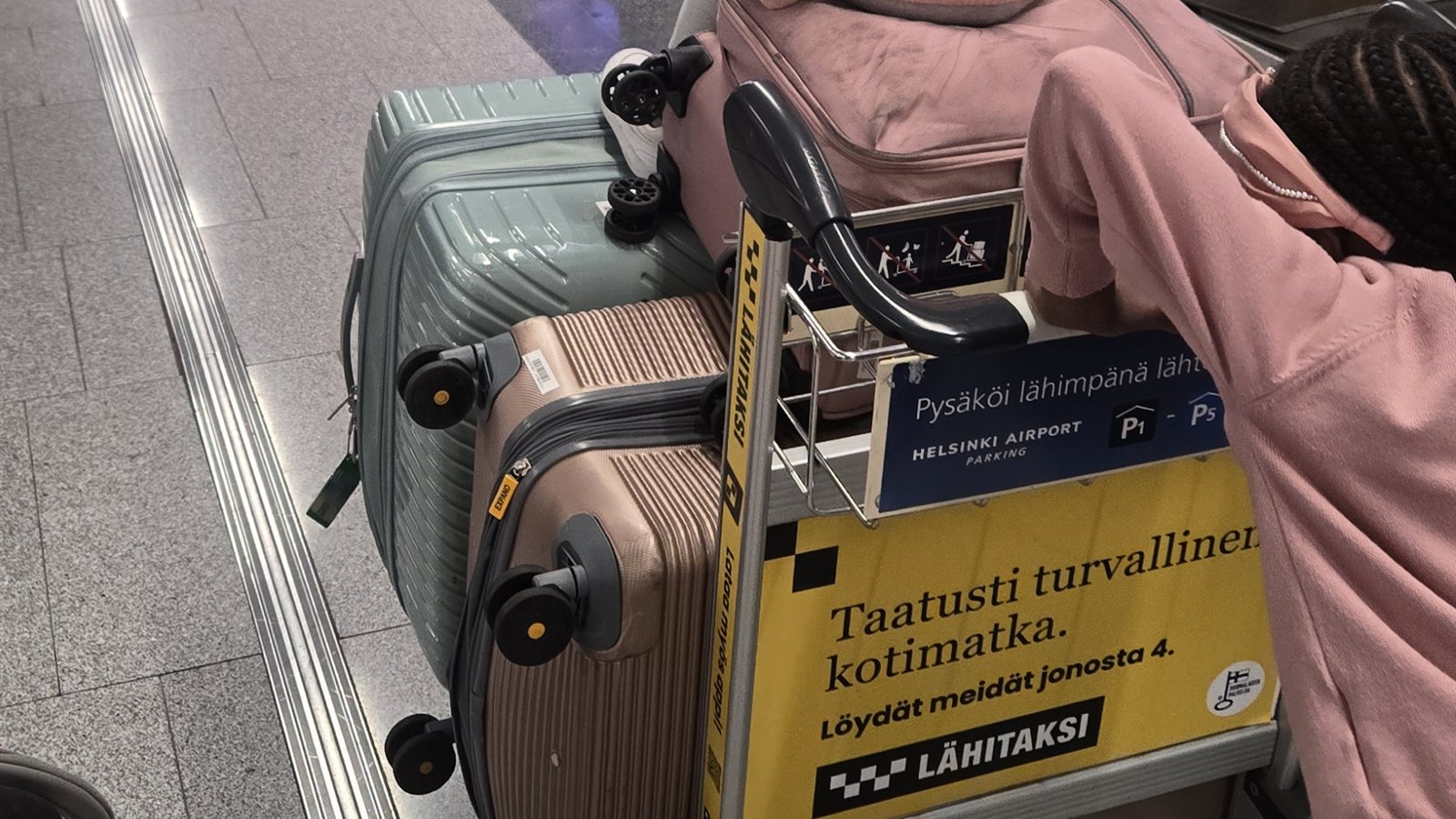
Traveling is exciting, but it comes with its challenges. One of the biggest dilemmas is what to do with your luggage when you’ve arrived early or have extra time after checkout before your flight.
Here is what I learned about storing your luggage, so you can explore hands-free, stress-free. I’ll also share a great service Radical Storage, which offers convenient locations to drop off your bags almost anywhere in the world.
1. Why You Might Need Luggage Storage:
Whether you’re early for check-in, have a late flight, or are making the most of a layover, luggage storage can be a lifesaver. Carrying around your suitcase can ruin a day of sightseeing, and finding a secure place to store it allows you to move freely and enjoy the destination.
It happened to me in the past and I ended up carrying my suitcase with me everywhere!
2. Types of Luggage Storage Options:
Hotel Concierge Services:If you’re staying at a hotel, many will hold your luggage before check-in or after checkout – always ask them. However, not all hotels offer this, especially if you’re staying at an Airbnb or smaller accommodation.
Airports and Train Stations:Some larger airports and train stations have locker services where you can store your luggage for a few hours or a day. These are often secure but can be expensive, especially for long-term storage.
Luggage Storage Apps & Services:If you’re looking for a more convenient, flexible option, services like Radical Storage offer affordable luggage storage at various partner locations in cities across the globe.
When I travel, I personally use [Radical Storage](insert your affiliate link here) for its flexibility and wide network of storage points. Whether you’re in a big city or a small town, they have verified locations where you can safely store your luggage, from cafés to local shops.
How It Works:
Find a storage point near you using their app or website.
Book online for as little as a few hours to multiple days.
Drop off your bags and explore freely!
It’s super easy, and they even offer insurance for extra peace of mind.
Affiliate mention: If you’re looking for luggage storage on your next trip, check out Radical Storage and use [my affiliate link] to book your spot!
4. Popular Cities Where You Can Store Your Luggage with Radical Storage:
New York City: Drop your bags near iconic landmarks like Times Square or Central Park.
London: Store your luggage near busy hubs like King’s Cross or Buckingham Palace.
Paris: Explore the city of lights without the weight of your luggage by storing it near the Eiffel Tower or Gare du Nord.
Rome: Walk freely through the historic streets by finding convenient storage near the Colosseum or Vatican City.
Wherever you’re traveling, Radical Storage likely has a location nearby.
Check for operating hours: Some locations may have specific times when you can drop off or pick up your luggage.
Keep your valuables with you: While storage services are generally secure, it’s always a good idea to keep important documents, money, and electronics with you. Keep your passport and wallet with you!!!!
Double-check luggage size limits: Some storage services have size limits or extra charges for oversized bags.
Book in advance during busy travel periods: Services can fill up, especially in popular tourist destinations or around the holidays.
This post contains affiliate links. If you book or buy through them, I may earn a small commission at no extra cost to you.
Here are 5 tips to help you pick the best hotel in the Cancun area, Mexico from someone who spent hours researching every single hotel in Cancun, Riviera Maya, and Tulum for my destination wedding!
There are more than 100 hotels in the area, and its hard to pick one!
1. Location, Location, Location Cancun, Tulum, and Riviera Maya each offer a different vibe. Cancun is close to the airport and perfect for nightlife and shopping. Tulum is more laid-back with a focus on nature and wellness, while Riviera Maya is a blend of the two. Decide what kind of trip you want and pick a hotel based on the vibe you’re after.
2. Resort Size Some hotels are small and intimate, while others are massive with 5 or more resorts within one complex. If you want peace and quiet, go for a smaller boutique hotel. For a family-friendly, activity-filled trip, a larger resort with multiple pools and restaurants might be better.
3. All-Inclusive or Not Cancun and Riviera Maya have tons of all-inclusive options, which can save you the hassle of budgeting for meals and drinks. If you prefer to explore local restaurants and street food, go for a non-all-inclusive hotel.
4. Distance to the Airport If you’re staying in Cancun, you’ll be 20-30 minutes from the airport. Tulum and parts of Riviera Maya are 1.5 to 2 hours away. Decide if you want a quick transfer or if you’re okay with a longer journey for a more remote, quieter stay.
5. Amenities & Activities Make sure the hotel has what you need! If you’re into water sports, golf, or spa treatments, check what’s included or available on-site. Some resorts cater more to adults, while others are super family-friendly with kids’ clubs and entertainment.
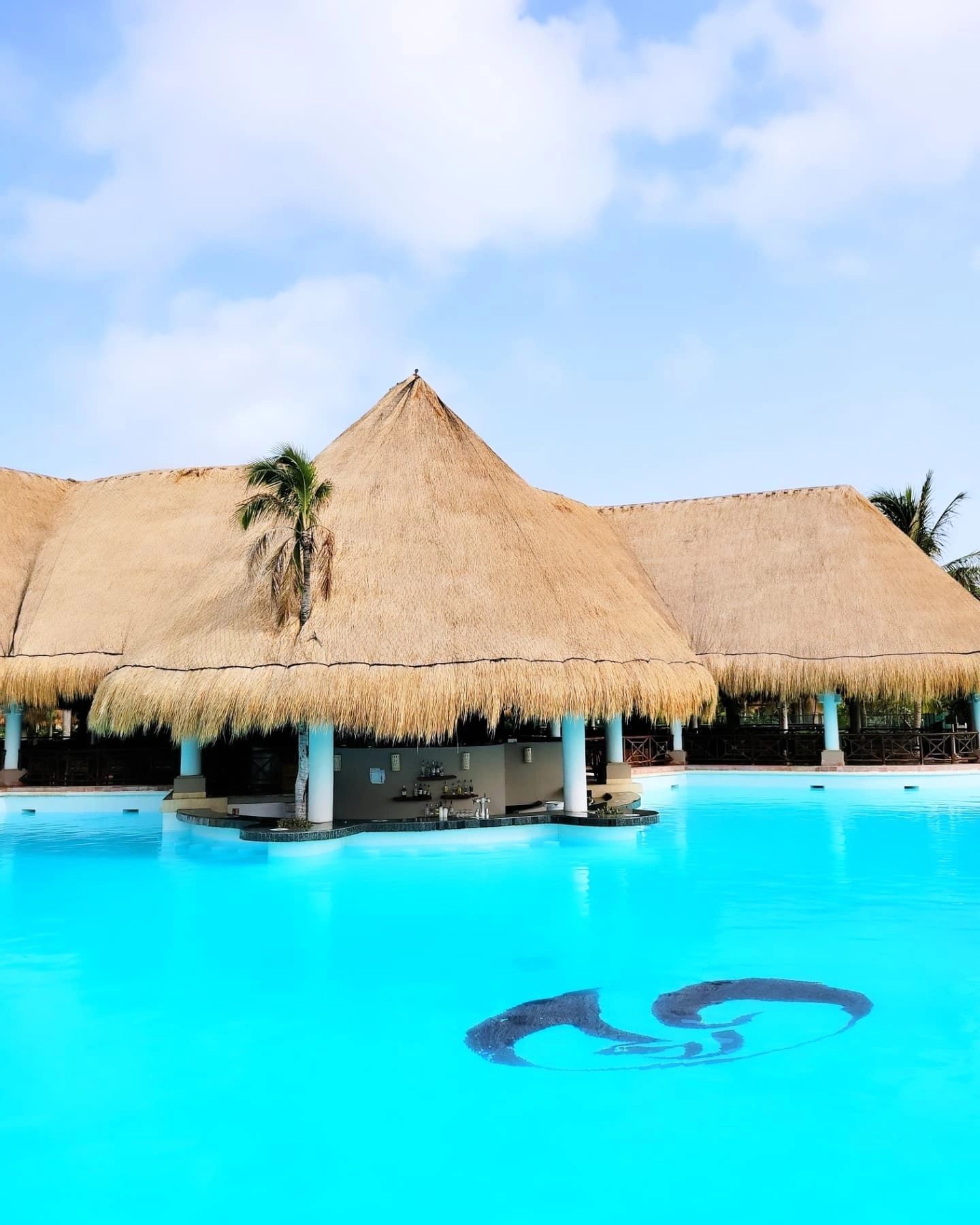
It’s truly my favorite resort in the Riviera Maya/Playa Del Carmen/Cancun area: Grand Palladium Riviera Maya in Mexico (here to book)
This incredible resort is made up of 5 sections, and when you stay in one, you get access to all of them!
Here’s why I keep coming back (and it’s not sponsored, not a collaboration, just a genuine love for this hotel—I’ve stayed here many times and love Palladium hotels in other countries too!):
2. Huge Property: This resort is massive, so get ready to explore (but don’t worry, there’s a train to take you around!). Bringing a stroller for the little ones is a game-changer!
3. Family Fun: The resort has tons of family-friendly activities and an amazing kids’ club that offers endless fun for all ages.
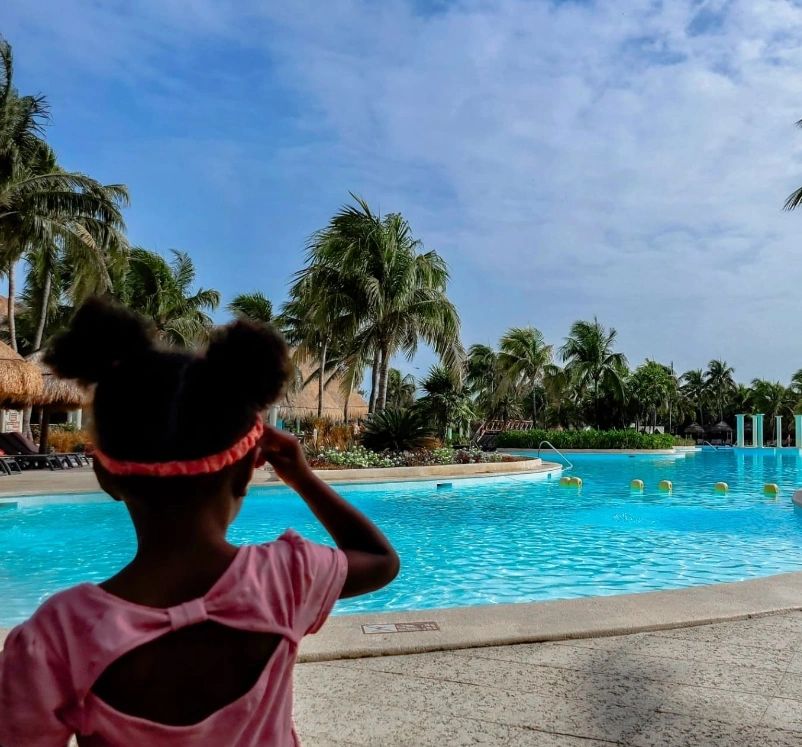
4. 9 Pools: including family-friendly ones and adult-only ones.
5. 14 Restaurants: From international buffets to à la carte options.
6. Beautiful Beaches: Just be prepared for lots of seaweed.
7. Activities for All Ages: From water sports to evening shows, there’s always something to do, no matter your age.
8. Quick Airport Access: It’s just a quick 1-hour drive from Cancun International Airport (could be longer with traffic).
9. Spa Time: The Zentropia Spa is a must for some relaxation time.
10. Perfect for Events: I got married here 👰♀, and it was the best place to welcome guests of all ages—from 0 to 75!