Author: mayanavoyage

  • Where to stay in Helsinki with kids

    Where to stay in Helsinki with kids

    This post contains affiliate links to booking sites. If you book through them, I may earn a small commission at no extra cost to you. Citybox Helsinki is not a partner.

    You have decided on Helsinki. Now you are looking at hotels, every one of them looks fine in the photos, and every one leaves out the thing you actually need to know: whether you will spend the week dragging a stroller across the city at 9pm with a tired toddler.

    We went to Helsinki in July. Here is where we stayed, why I chose it, and what I would look for before you book.

    The short answer

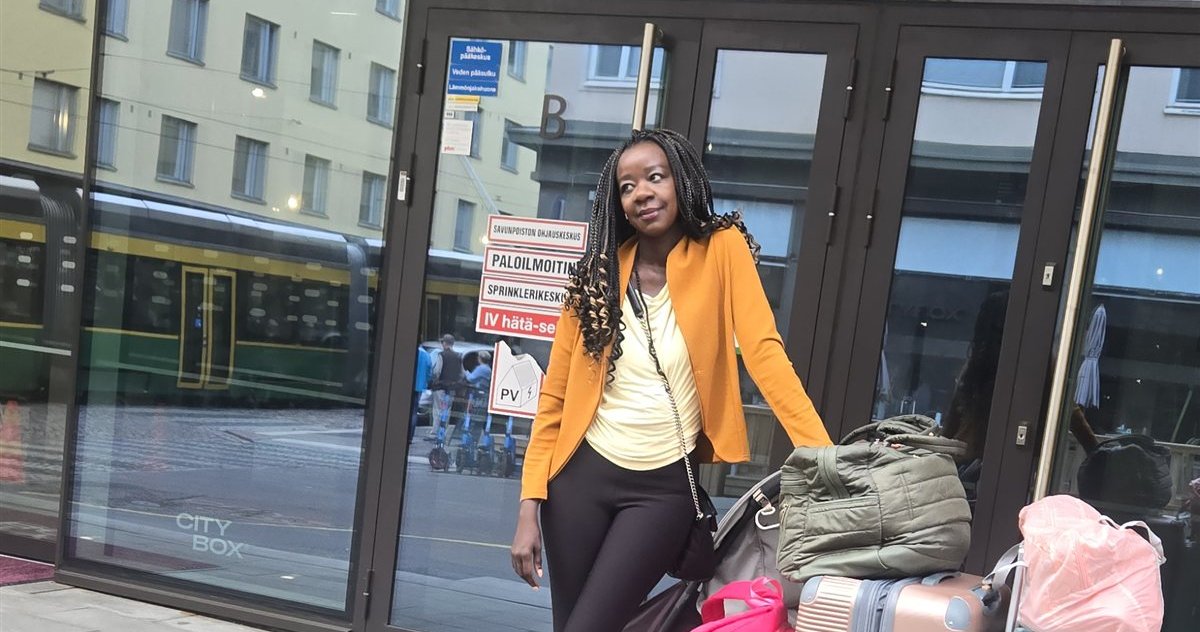
    We stayed at Citybox Helsinki on Siltasaarenkatu, in a neighbourhood called Kallio, just across the water from the city centre. I picked it for a single reason that mattered more than anything else on the listing.

    The metro station is downstairs. Trams 3 and 9 stop outside the door.

    That was the whole decision.

    Why the location beat everything else on my list

    I usually book on a short checklist: breakfast included, a pool, 2 beds, and room for the kids to move around. In Helsinki I booked on transport instead.

    With young kids, the distance between your hotel and the nearest station decides your whole day. A hotel 10 minutes from the metro is a 20 minute round trip every time you leave and come back, and you do that 3 or 4 times a day. By Wednesday nobody wants to go anywhere.

    Being right on the metro means you can go back to the hotel in the middle of the day for a nap or a break, and head out again.

    If you are comparing Helsinki hotels right now, search by area on Booking.com and look for somewhere within a few minutes of a metro or tram stop before anything else. You can also compare the same areas on Hotels.com.

    The things that made it work with kids

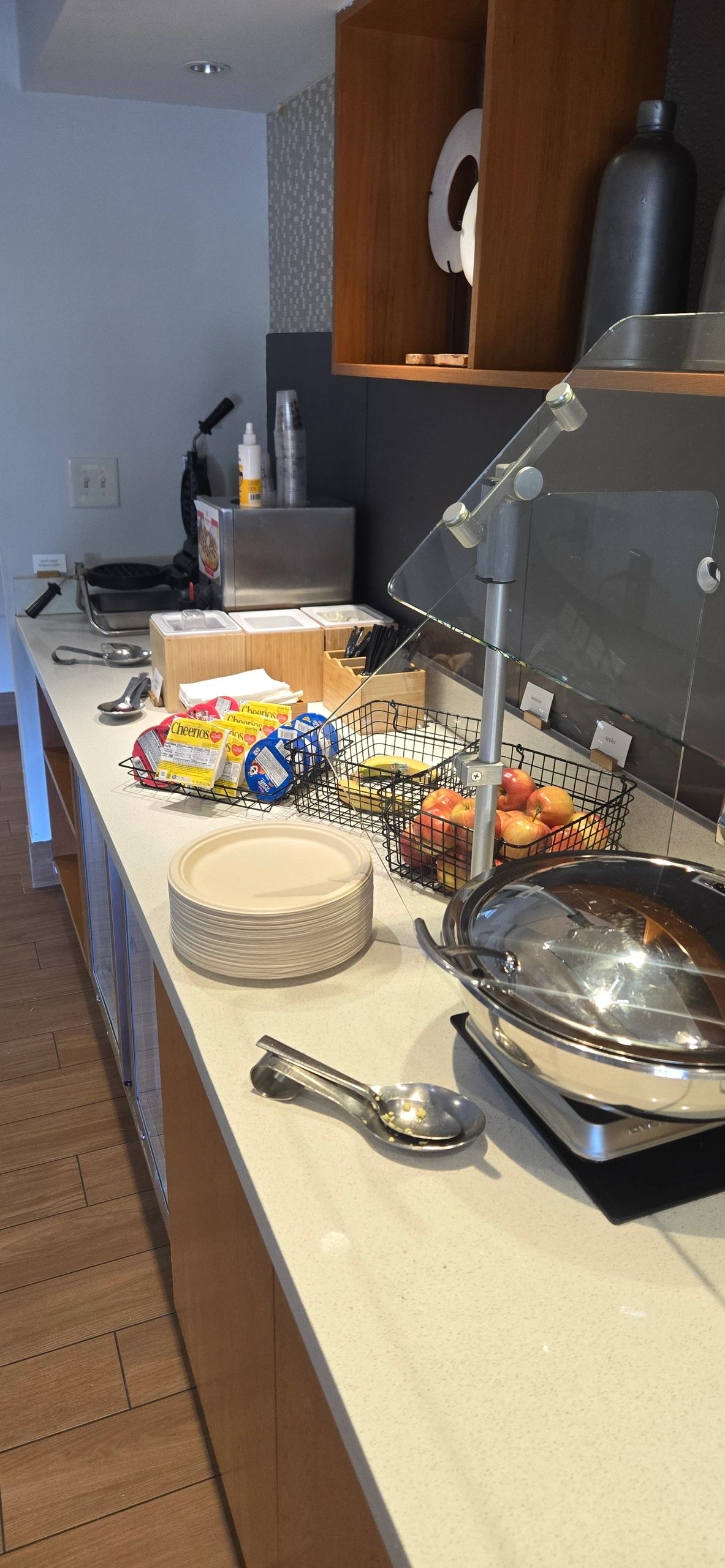
    A kitchen in the lobby. There is a shared kitchen with a fridge downstairs. With a toddler, you can keep milk cold and prepare something simple at dinner time without hunting for a restaurant.

    A 24 hour grocery store nearby. Being able to walk out at any hour for breakfast things, snacks and fruit made the week much easier.

    A huge play area in the hotel. On rainy days, and July had plenty of them, it gave the kids somewhere to burn energy.

    Kids plates. A small thing that tells you a lot about whether a place has thought about families.

    Good to know before you book

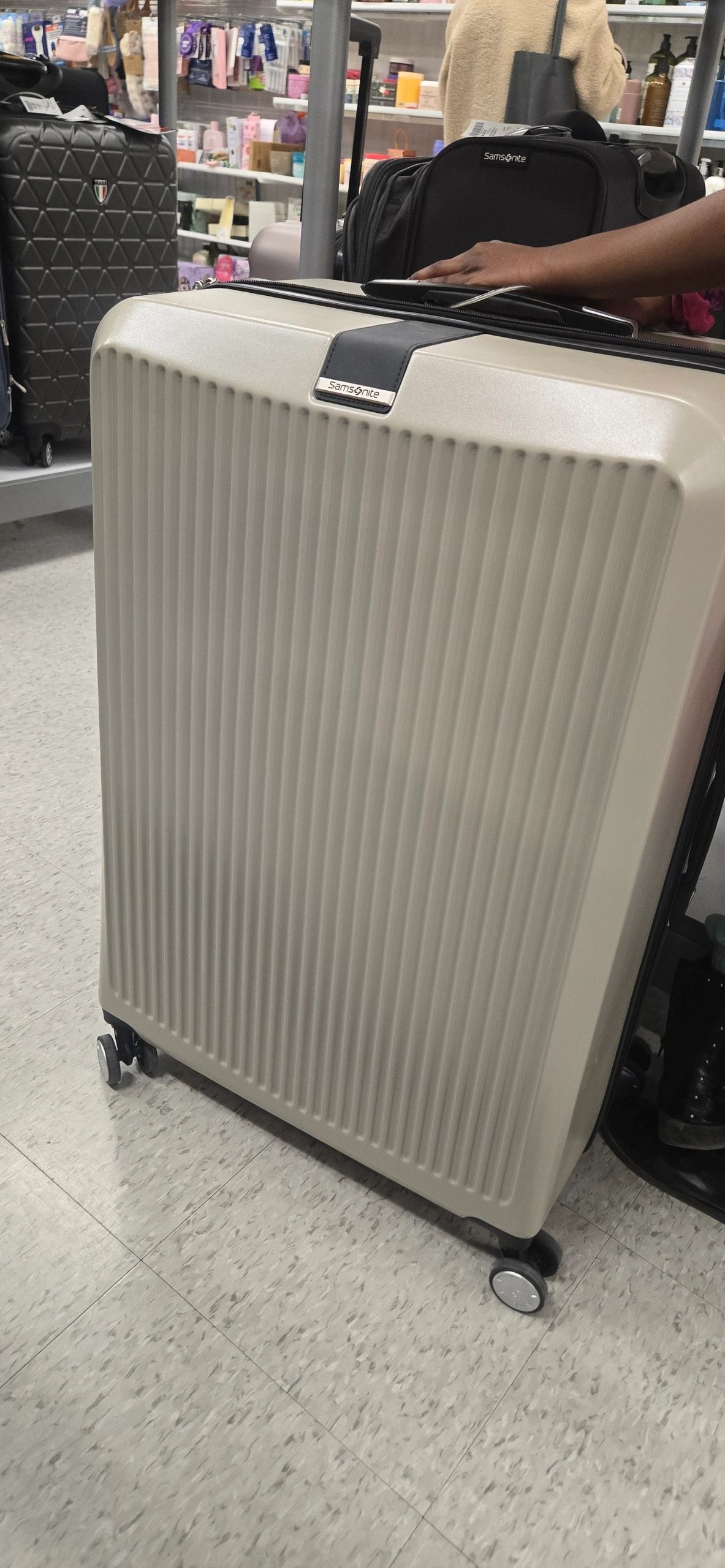
    The rooms are compact. We had 4 suitcases and a stroller, and the entry was tight. If you need space to spread out, look for a bigger room.
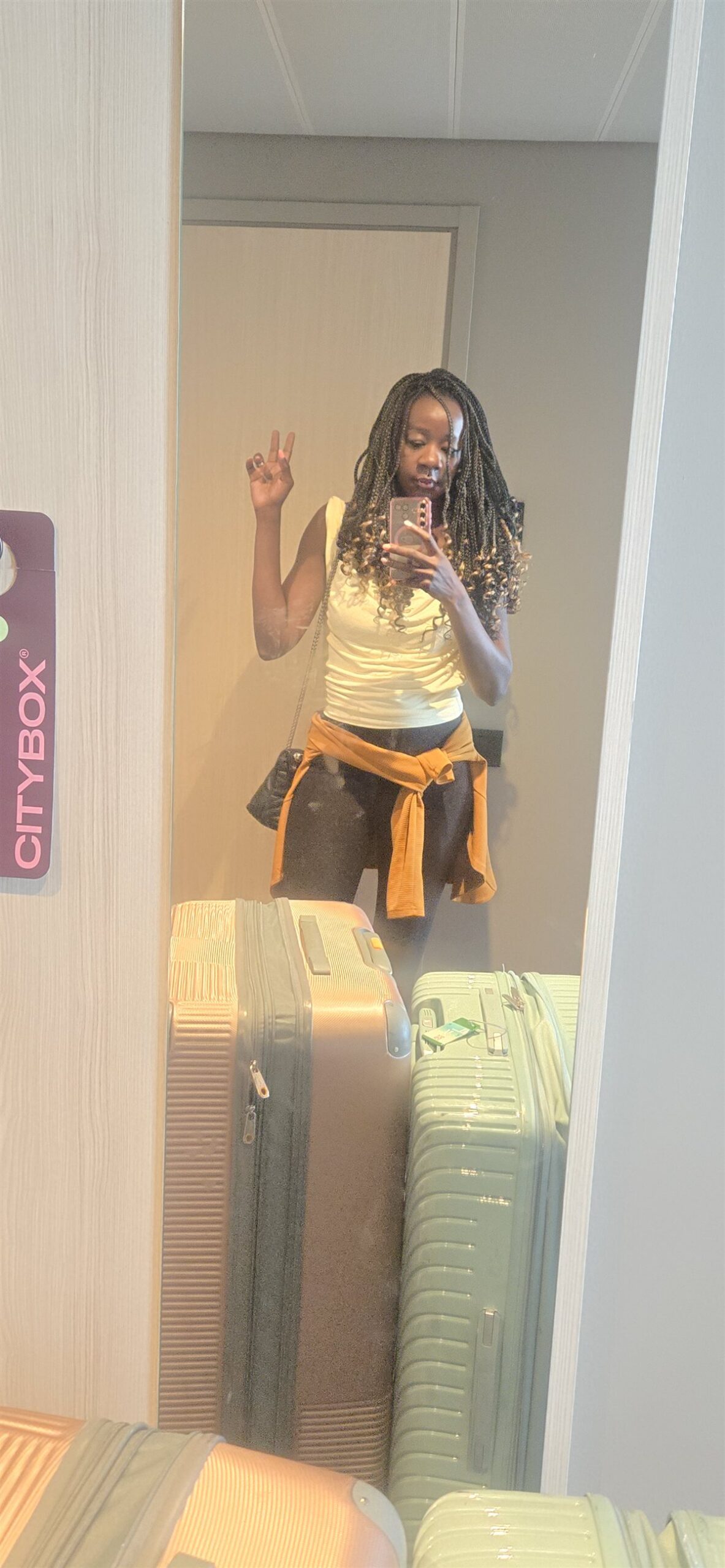
    A compact room at Citybox Helsinki with suitcases
    Our Citybox room, with the suitcases.

    There is no pool, which is normally on my list. I traded it for the metro being downstairs. If your kids are older and you are out all day anyway, you might weigh it differently.

    What I would look for anywhere in Helsinki

    1. How far is the nearest metro or tram stop? Count it in minutes walked with a stroller.
    2. Is there a fridge or a shared kitchen? It changes what the week costs and makes dinner time easier.
    3. Is there a grocery store within a few minutes? Ideally one that opens late.
    4. Which side of the water are you on? Kallio is a short metro ride from the centre.

    A few Helsinki things worth knowing

    The adult pushing a stroller rides public transport for free.

    Helsinki Airport has 2 playgrounds inside, which helps a lot when you are waiting for a flight with small children.

    We went in July and it was cold, around 15 degrees, and raining. Bring sweaters even in summer.

    If you want your phone working the moment you land, I use Airalo for an eSIM.

    And if you have a late flight on your last day, Radical Storage lets you leave your bags in the city while you explore.

    Planning Helsinki with your kids? Send me a message on Instagram and tell me which part of the city you are looking at.

    What I pack for trips like this

    The things I actually use are in my Amazon store: my packing essentials list and my electronic must-haves for travel list. And my free pre-travel checklist is the list I use before every trip: you can get it here.
  • What’s In Our Carry-Ons: An Overnight Flight With Kids

    What’s In Our Carry-Ons: An Overnight Flight With Kids

    This post contains affiliate links. If you book or buy through them, I may earn a small commission at no extra cost to you.

    Toronto to Helsinki is 8 hours, overnight, and I did it on my own with both girls. Everything below came on the plane with us. Our other bags went in the hold, which matters, because what you carry on is what you have if those bags don’t turn up.

    The thing that makes this work is not what I pack. It’s where I put it.

    I’ve put everything in this post on one Amazon list, so you can see the actual products instead of guessing from a photo: https://amzn.to/46S6edm

    The rule: pack by how fast you need it

    Most packing lists are sorted by category. Clothes here, toiletries there, snacks somewhere else. That’s fine at home and useless at 35,000 feet, because on a plane the only question that matters is how quickly you can reach something.

    So everything I bring is split across 3 places. On my body, a crossbody bag, reachable without standing up or opening a bin. Under the seat in front, the diaper bag, holding everything I’ll need during the flight. Overhead, the carry-on, holding everything I don’t need until we land.

    Sort by urgency instead of by category and you stop opening the overhead bin mid-flight, and you stop digging through a bag on your lap in the dark with a sleeping child on you.


    1. My crossbody, and it never leaves my body

    My hands stay free. When you are the only adult with 2 children, a stroller and a boarding pass, free hands are not a luxury. And everything important stays on my body. Passports, cards, the consent letter. None of it goes in the diaper bag and none of it goes overhead. If I had to get off a plane with one bag, this is the one, and I never want to be the person standing up to reach a bin because a border agent asked for a document.

    What’s in it:

    – Passports for all of us, and the boarding passes

    – The travel consent letter for children travelling abroad

    – Credit cards and a slim card holder

    – A blister pack of medication, hand sanitiser, wet wipes, tissues and mints

    – Lip gloss and cocoa butter cream

    – A power bank, wired earphones and a phone grip pad

    – A pen, for landing cards

    2. The diaper bag, under the seat in front of me

    This is the only bag I can reach without moving, so everything I’ll need during the flight lives here.

    – Diapers, baby wipes and snacks portioned into resealable bags

    – Kids Gravol for motion sickness, and pain relief for me

    – An empty water bottle

    – My scarf

    – A tray table cover, and a tote bag folded flat

    – Sunglasses, chargers and cables, and a compact travel power strip

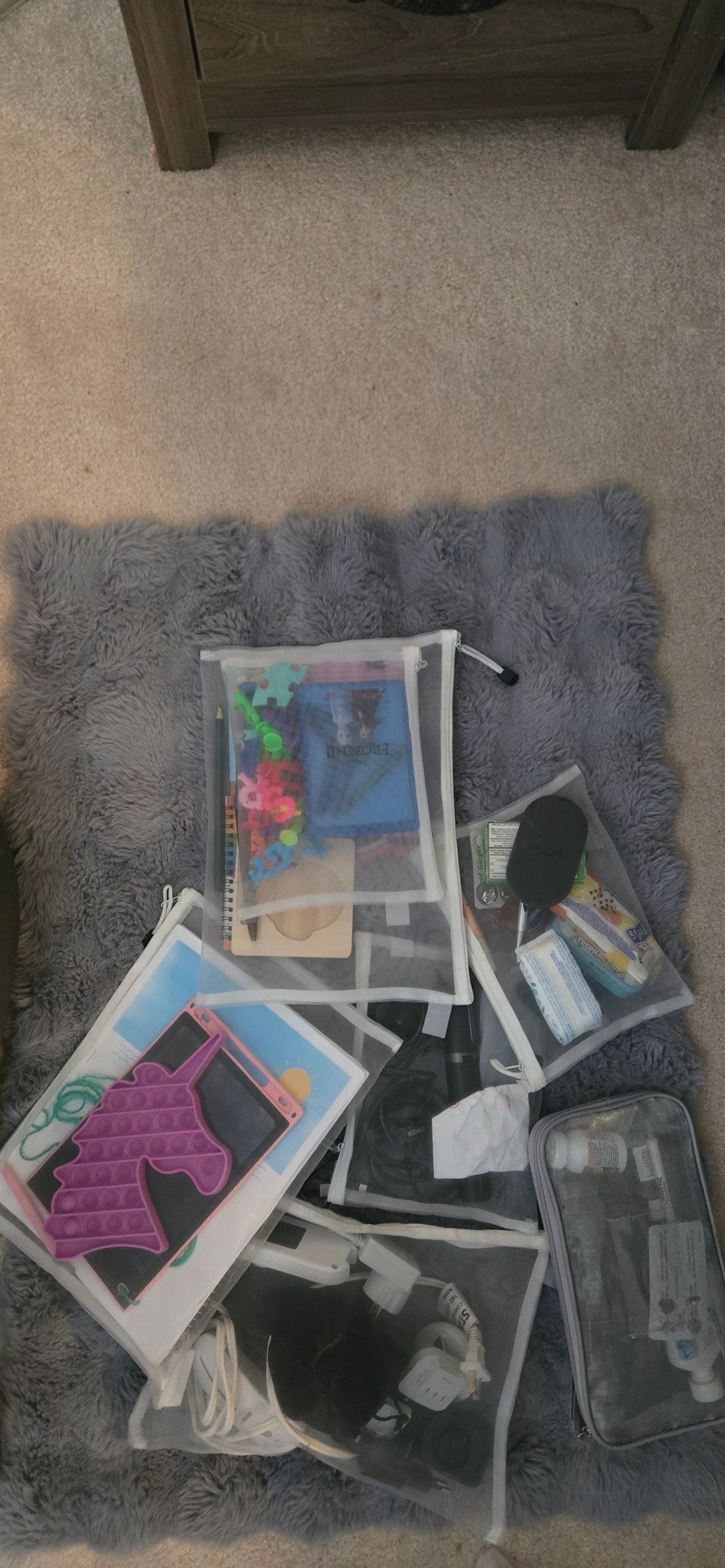
    – A reusable LCD writing tablet, foam alphabet letters, a small wooden puzzle and a scratch art notebook

    The 4 things in here that do the most work.

    The empty water bottle goes through security empty and gets filled on the other side. You skip the queue at the shop and you are not paying airport prices for water you’ll finish before boarding.

    The scarf is the one item I never fly without, and it’s the hardest working thing I own. It’s a blanket on the plane. It’s a blanket over the stroller. It’s a blanket when we’re sitting outside somewhere and the evening turns cold. And when I don’t need any of that, it’s a scarf. One thing doing 4 jobs is worth more carry-on space than 4 things doing one each.

    The tray table cover matters because tray tables are not as clean as they look, and on an overnight flight a child’s face ends up on one. It also holds the things that would otherwise slide into the seat pocket and get left behind.

    The power strip is for the airport, where the seating never has enough outlets. One plug becomes 3, which matters when you have a tablet, a phone and a pair of headphones all needing charge before an 8 hour flight.

    The exact scarf, power strip, tray table cover and snack bags I use are all on the Amazon list: https://amzn.to/46S6edm

    3. The carry-on, overhead

    This bag is insurance. I don’t open it until we land.

    – My laptop, and headphones in a hard case

    – 2 days of clothes for all 3 of us

    – Pyjamas for the first night, slippers and flip flops

    – Toiletries in a clear pouch: toothbrushes, toothpaste, body wash, creams

    – A packing cube, and the document folder

    Why 2 days of clothes, for all 3 of us. If our checked luggage doesn’t arrive with us, we are still fine for 2 days. That’s the obvious reason.

    The less obvious one matters more. Even when the luggage does arrive on time, we can land, get to where we’re staying, and go straight to bed without opening a single big suitcase. After an overnight flight with kids, nobody wants to unpack. Pyjamas and slippers in the carry-on means the first night costs you nothing.

    My laptop always stays with me. It never goes in a checked bag.

    Everything inside the carry-on goes into a clear zip pouch. Activities in one, toiletries in another, cables in another, the power strip in its own. I can see what’s in each one without opening a bag. That means nothing gets unpacked at security, nothing gets emptied onto a hotel floor at midnight, and I can hand a child exactly the pouch they need without going through everything.

    4. My 8 year old’s bag

    She’s 8, so she carries her own backpack. It’s hers, she knows what’s in it, and she manages it.

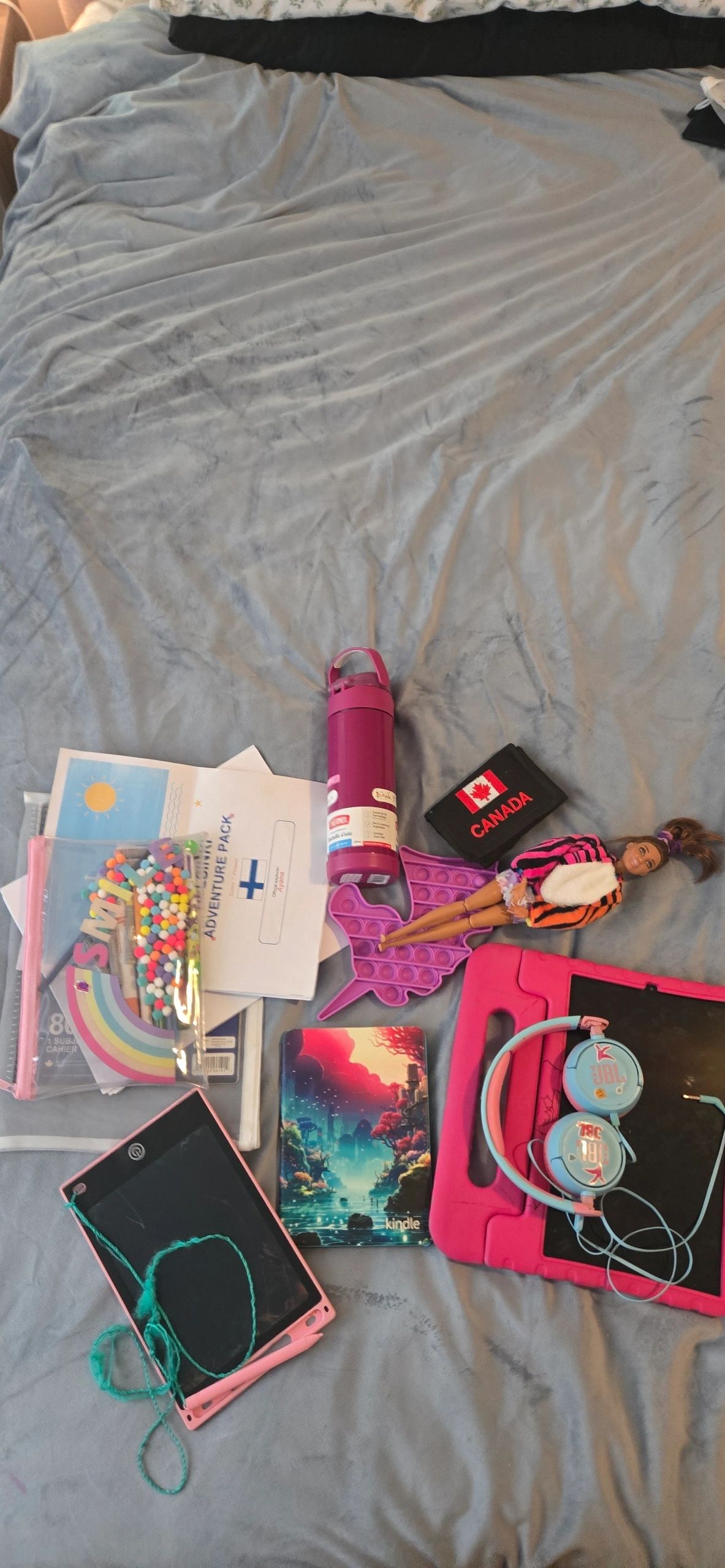
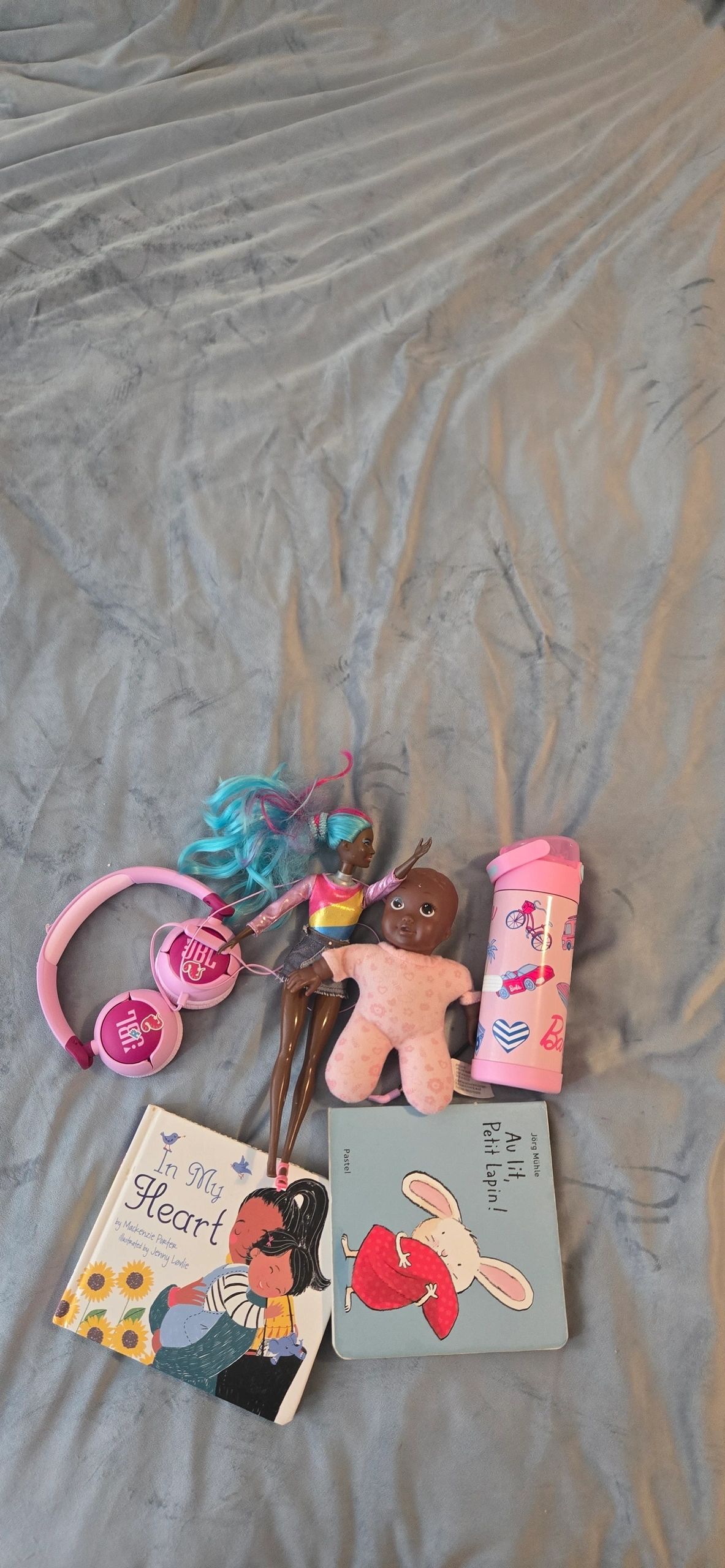
    – A Kindle, and a tablet in a protective kids case

    – JBL headphones

    – An insulated Thermos bottle

    – A wallet, a pencil case and a notebook

    – A reusable LCD writing tablet with a stylus

    – A doll and a pop it

    – A printed adventure pack I made for the trip, with her name on it

    The adventure pack is the part I would keep if I dropped everything else. I made these to get them excited about Finland before we even left. They both have one, each at their own level, so the little one isn’t looking at something she can’t do and the big one isn’t bored by it. A trip starts before the plane does, and giving them something of their own to open turns a long travel day into part of the holiday.

    5. My 3 year old’s bag

    Small, light, and she carries it herself.

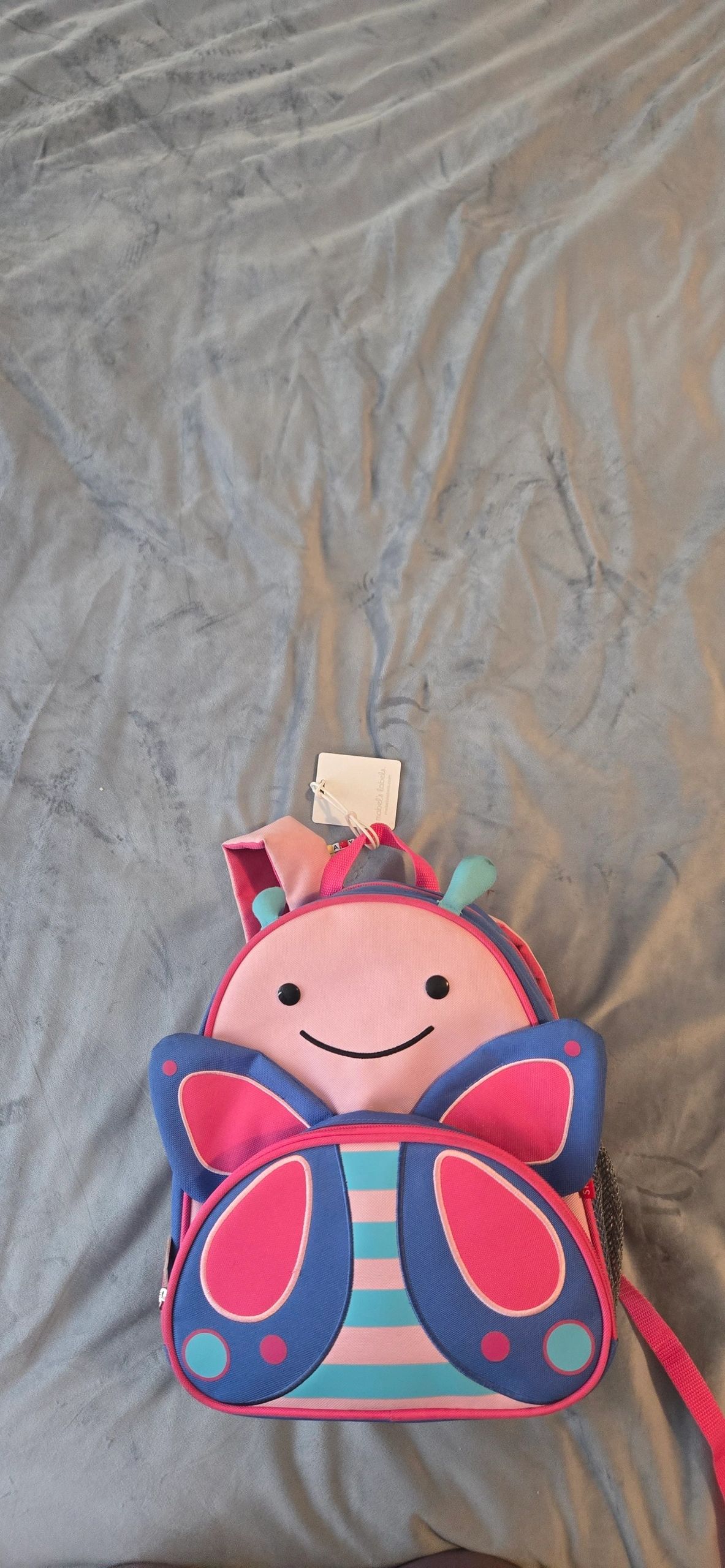
    – A Skip Hop butterfly backpack

    – Her own headphones and an insulated bottle

    – A doll and a soft baby doll

    – 2 books, one in English and one in French

    We read in both, and a flight is 8 uninterrupted hours of it.

    What's In Our Carry-Ons: An Overnight Flight With Kids

    On entertainment for an overnight flight

    I pack less than people expect. It’s overnight, so I’m hoping they sleep, and a bag full of activities you never open is weight you carried through an airport for nothing. The tablet still comes. I would rather have it and not need it.

    This is the part most packing lists get wrong. They give you the same list whether you’re flying at 9 in the morning or 9 at night, and those are completely different flights.

    What I pack for trips like this

    The things I actually use are in my Amazon store: my plane travel essentials list and my 3 to 5 year old travel essentials list.


    The full checklist

    Every product in this post, with the exact brands, is on my Amazon list, Carry-on essentials for flying with kids: https://amzn.to/46S6edm

    Everything above as a list you can tick off is in my free packing list: https://payhip.com/b/NPGmL

    And for the weeks before the trip, my pre-travel checklist is free too: https://payhip.com/b/cp71z

    What's In Our Carry-Ons: An Overnight Flight With Kids
    What's In Our Carry-Ons: An Overnight Flight With Kids
  • How to choose the right hotel for family travel

    How to choose the right hotel for family travel

    This post contains affiliate links. If you book or buy through them, I may earn a small commission at no extra cost to you.

    When planning a family trip, many parents put a lot of pressure on finding the perfect hotel.

    The biggest resort.
    The fanciest lobby.
    The hotel with every possible amenity.

    But after traveling with kids many times, I’ve learned something simple:

    The best family hotel is not always the fanciest one.

    Especially for shorter trips, the best hotel is usually the one that makes the trip easier for everyone.

    Because kids are often happy with much simpler things than we think.


    What Kids Actually Care About

    Most kids are not judging your hotel by the marble lobby or the designer bathroom.

    They care about comfort, fun, and routine.

    Here are the three things that usually matter most.

    1. The Pool

    Raise your hand if the pool somehow became your child’s favorite memory of the entire trip.

    It happens all the time.

    Sometimes the pool becomes the main activity, even when you spent hours planning museums, tours, and sightseeing.

    A pool gives kids a fun way to burn energy and gives parents an easy activity without needing to plan more.

    Sometimes that afternoon swim saves the whole trip.

    2. Breakfast Included

    Kids are always hungry. Especially on vacation.

    Having breakfast included can make mornings much easier.

    You save time.
    You avoid the daily “where should we eat?” discussion.
    And you start the day with one less thing to organize.

    Most kids are perfectly happy with pancakes, fruit, eggs, or toast.

    They are not asking for a luxury brunch experience.

    Parents usually appreciate this even more than the kids.

    3. A Comfortable Room

    Kids do not care about luxury decor.

    They care about space.

    A comfortable bed.
    Room to move around.
    A place to relax after a long day.

    Sometimes they just want to jump on the bed, watch cartoons, and reset before dinner.

    That matters more than expensive furniture.

    What Parents Should Look For

    Parents need comfort too.

    This is not about choosing the cheapest hotel or ignoring quality.

    It is about choosing what actually supports your trip.

    For short family trips, ask yourself:

    Will we actually spend much time in the hotel?
    Do we need a full resort experience?
    Or do we simply need comfort, convenience, and easy mornings?

    Sometimes location matters more than luxury.

    What I pack for trips like this

    The things I actually use are in my Amazon store: my packing essentials list and my electronic must-haves for travel list. And my free pre-travel checklist is the list I use before every trip: you can get it here.


    It’s about balance

    I love beautiful hotels too.

    A nice hotel can absolutely be part of the experience, especially for longer vacations, resort stays, or special trips.

    But for short family trips, where you’re out all day exploring, practical usually wins.

    Family travel should work for both parents and kids.

    Not every trip needs the biggest hotel.

    Sometimes the right hotel is simply the one that makes the trip easier.

    And honestly, that is usually the best choice.

  • How to protect your stroller and car seat when flying with kids

    How to protect your stroller and car seat when flying with kids

    This post contains affiliate links. If you book or buy through them, I may earn a small commission at no extra cost to you.

    If you’re flying with kids and checking your stroller or car seat with your luggage, one simple mistake can cost you a lot: leaving it uncovered.

    After landing back in Toronto, I saw so many strollers at baggage claim scratched, dirty, damaged, and honestly just thrown around. Some looked bent, some were missing parts, and a few clearly had a very rough trip.

    As parents, we already spend enough on baby gear. Replacing a stroller or car seat because it got damaged at the airport is not the kind of vacation souvenir anyone wants.

    Here’s how I protect mine when I fly.

    What I pack for trips like this

    The things I actually use are in my Amazon store: my car seat and stroller accessories list and my baby travel essentials list. And my free pre-travel checklist is the list I use before every trip: you can get it here.

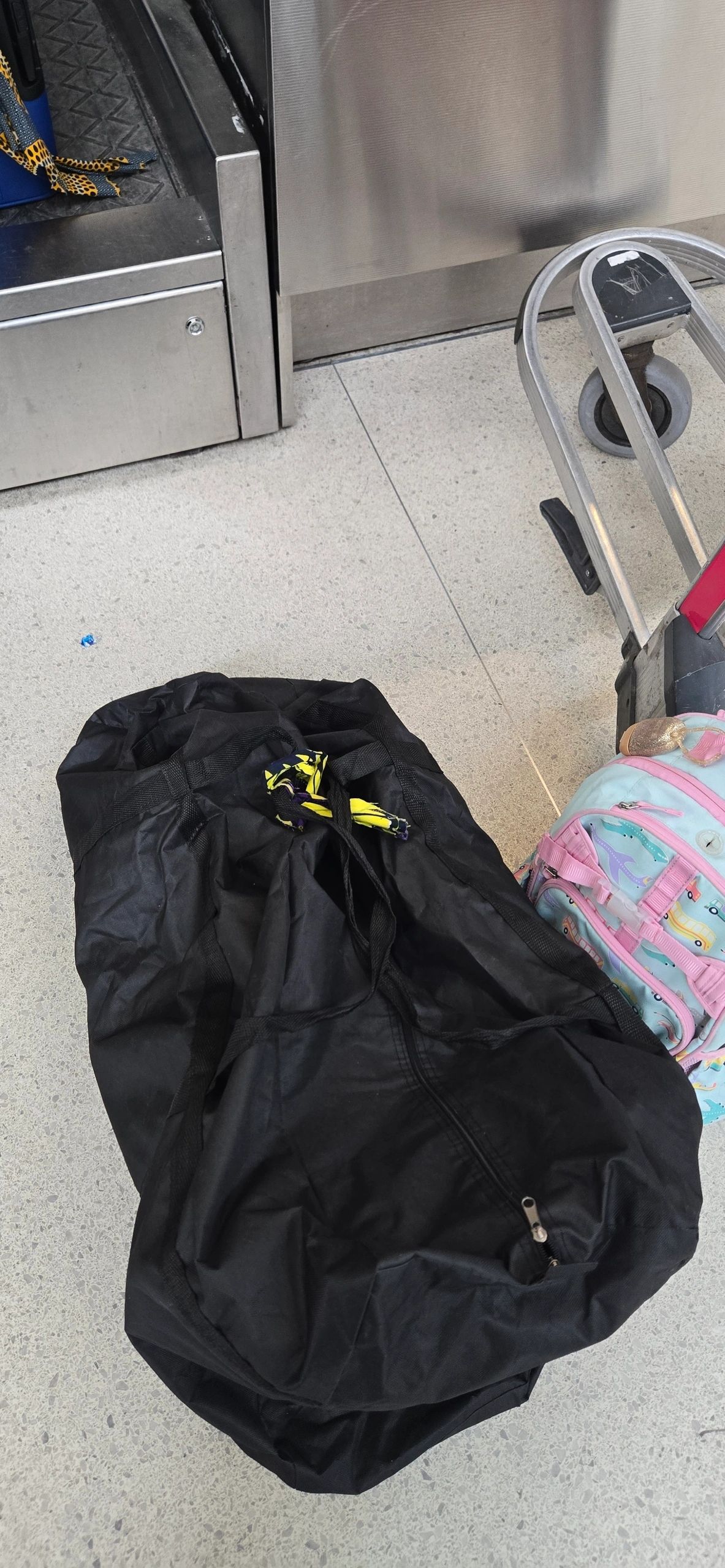
    Always use a travel bag or protective cover

    If you’re checking your stroller or car seat with your luggage, never leave it uncovered.

    A simple travel bag or protective cover helps protect against:

    • Dirt and stains
    • Scratches and broken parts
    • Rough baggage handling
    • Missing pieces
    • Easier identification at baggage claim

    It also makes pickup much easier because you can spot your item faster instead of searching through a pile of loose strollers.

    For infant car seats, I recommend the brand bag

    For infant car seats, I usually recommend using the actual brand bag if the company offers one.

    Brands like UPPAbaby have their own travel bags designed specifically for their car seats and strollers. They usually fit better, offer stronger protection, and in some cases, they even include travel coverage when you use their approved bag.

    That extra protection is worth it for something as important as a car seat.

    Damage is not always visible right away, and that’s not something I want to risk.

    For strollers, you don’t always need the expensive option

    For strollers, I usually just use a good regular travel bag.

    You do not always need the most expensive branded version.

    The goal is simple: protect your stroller before check-in so it can handle the rough baggage process.

    A strong travel bag that closes properly and keeps everything covered is often enough.

    Check-in luggage vs gate check

    This advice is for strollers and car seats that are checked with your luggage, not gate checked.

    If you are checking it at the main luggage counter, protection matters even more because it goes through the full baggage handling system.

    That is where most of the damage happens.

    Even if you gate check sometimes, I still prefer having a bag ready because airport handling is never gentle.

    My simple rule

    Protect your gear before check-in.

    It takes two extra minutes, but it can save you from replacing expensive baby gear later.

    Traveling with kids already requires enough planning. This is one small step that makes a big difference.

    And after seeing those broken strollers at baggage claim, I will always use a cover.

    Final thought

    If your stroller or car seat is expensive enough that replacing it would frustrate you, it deserves a travel bag.

    Simple.

    Because family travel should be stressful enough without arriving and realizing your stroller did not survive the flight.

  • The exact order I pack for family trips so it feels less chaotic

    The exact order I pack for family trips so it feels less chaotic

    This post contains affiliate links. If you book or buy through them, I may earn a small commission at no extra cost to you.

    Packing for a family trip can feel like a full-time job.

    You start with one kid’s outfit, then remember pajamas, then grab chargers, then suddenly you’re looking for sunscreen and wondering if anyone even has socks.

    That used to be me.

    The problem usually isn’t packing itself. It’s the order.

    When you pack random things in random order, everything feels overwhelming. You forget things, overpack things, and reopen the suitcase ten times before leaving.

    After packing for family trips more times than I can count, I learned that having a clear system changes everything.

    This is the exact order I use every single time.

    What I pack for trips like this

    The things I actually use are in my Amazon store: my packing essentials list and my electronic must-haves for travel list. And my free packing list is the list I use before every trip: you can get it here.


    1. Start with the kids first

    Always.

    Not your clothes. Not toiletries. Not makeup.

    The kids first.

    Once the kids are packed, the whole trip feels easier because they usually need the most planning.

    I start with their travel outfits first, especially the airport outfit.

    That means:

    • top
    • pants
    • sweater or jacket
    • shoes

    I also think about the return flight outfit so I’m not scrambling on the last day.

    2. Pack outfits by day

    Next, I plan full outfits for each day of the trip.

    Not random shirts. Not “I’ll figure it out later.”

    Actual outfits.

    Day 1
    Day 2
    Day 3
    Until we come home

    This helps me avoid both underpacking and overpacking.

    I can clearly see if something is missing and I’m not throwing extra clothes in “just in case.”

    3. Match the shoes

    Shoes deserve their own step because they take space fast.

    I match shoes to outfits and activities first.

    Beach trip? Different shoes.

    City walking trip? Different shoes.

    Fancy dinner? Maybe one extra pair.

    This helps avoid packing five pairs of shoes no one will wear.

    4. Add the basics

    Once the outfits are done, I move to the essentials:

    • pajamas
    • underwear
    • diapers
    • socks
    • swimsuits

    These are the things people often forget because they focus too much on the “main outfits.”

    Basics matter.

    Nobody wants to arrive and realize the toddler has no pajamas.

    5. Personal items and small things

    Now I move to the details:

    • toiletries
    • medicine
    • hair accessories
    • hats
    • sunglasses
    • skincare
    • makeup

    These small things are easy to forget because they’re usually packed last-minute.

    I prefer pulling everything out first so I can actually see it.

    6. Repeat the same process for adults

    Only after the kids are fully done do I pack for the adults.

    Same exact process:

    • outfits
    • shoes
    • basics
    • personal items

    Finishing one person completely before moving to the next makes a huge difference.

    It keeps the process clear and organized.

    7. Add the extras

    This is the “don’t forget” category.

    Things like:

    • toys
    • tablet
    • chargers
    • electronics
    • night light
    • snacks
    • water bottle
    • laundry bag
    • travel organizers

    These are the things that keep the trip running smoothly.

    They’re not always exciting, but they matter.

    8. Travel admin comes last

    This is always the final step.

    • passports
    • travel documents
    • wallet
    • handbag
    • boarding info
    • important reservations

    I leave these for last because they’re the grab-and-go items.

    They should be easy to find, not buried inside a suitcase.

    My biggest packing tip

    I do not pack while choosing items.

    I pull everything out first.

    Then I pack.

    That helps me:

    • see what’s missing
    • avoid overpacking random things
    • stop reopening the suitcase ten times
    • feel less stressed before the trip

    The goal is not just fitting everything into a suitcase.

    The goal is leaving the house knowing you didn’t forget the important stuff.

  • Europe or Caribbean with kids: how to choose + where to go

    Europe or Caribbean with kids: how to choose + where to go

    This post contains affiliate links. If you book or buy through them, I may earn a small commission at no extra cost to you.

    Trying to decide between Europe or the Caribbean with kids this summer?

    Both can be amazing. But they don’t feel the same at all — especially with young kids.

    This guide will help you understand:

    • what each trip actually looks like day-to-day
    • what works (and what doesn’t) with kids
    • and where to go if you’re not sure

    ⭐Europe with kids: what it actually feels like

    Europe trips are about the experience, again I am generalizing from a North American stand point. I know that Europe is big and has everything from mountains, to beaches, to small and big towns.

    You’re going out to see things — landmarks, neighborhoods, food, and sometimes even different cities or countries in one trip.

    👉 What helps:

    • Public transportation is good (trains, metro, buses)
    • You don’t need a car in most cities
    • Easy to add short train trips from one city

    👉 What to plan for:

    • Walking, stairs, cobblestones
    • Smaller spaces (rooms, elevators, restaurants)
    • Not always stroller-friendly everywhere

    👉 Practical tip:

    • Use a light stroller or baby carrier
    • Plan your days by area to avoid too much back and forth

    👉Check out my Europe itinerary guide, multi countries Southern and Northern


    ⭐ Where to go in Europe

    Paris, France

    What to do:

    • Eiffel Tower + Trocadéro
    • Seine river cruise
    • Louvre (short visit)
    • Luxembourg Gardens (playground + space to run)

    Easy train trips from Paris:

    • Versailles (palace + gardens)
    • Disneyland Paris (very easy with kids)
    • London (~2 hours by train if you want to combine cities)

    Why it works:

    • Great first Europe trip
    • A lot to see without long travel days

    Watch out for:

    • Trying to do too much in one day

    My take:

    👉 Browse hotels in Paris
    👉 See top family activities in Paris

    👉 Read my 5 Days Paris itinerary
    👉 Read my Paris transportation guide

    👉Read my Disneyland paris guide


    London, United Kingdom

    What to do:

    • Buckingham Palace (changing of the guard)
    • Double-decker bus ride, sharing my favorite route the bus 159
    • Hyde Park playgrounds
    • Museums (many are free)

    Extra experiences:

    • Afternoon tea
    • River boat ride

    Short trips from London:

    • Windsor Castle
    • Oxford or Cambridge

    Why it works:

    • Lots of variety for kids
    • Easy to adjust your day

    Watch out for:

    • Busy city
    • Not all stations have elevators

    My take:
    👉 Read my favorite free activities to do in London

    👉 Browse hotels in London
    👉 See top family activities in London
    👉 Read my London transport guide


    Barcelona, Spain

    What to do:

    • Sagrada Familia
    • Park Güell
    • Beach time
    • Markets + casual food

    Easy trips from Barcelona:

    • Sitges (beach day)
    • Montserrat (nature + views)

    Why it works:

    • City + beach in one trip
    • Easy to slow down when needed

    Watch out for:

    • Crowds in peak season

    My take:

    👉 Browse hotels in Barcelona
    👉 See top family activities in Barcelona


    Lisbon, Portugal

    What to do:

    • Tram rides
    • Miradouros (viewpoints)
    • Belém area (pastries + open space)

    Easy trips from Lisbon:

    • Sintra (palaces , very popular)
    • Cascais (beach + relaxed vibe)

    Why it works:

    • Beautiful, different pace

    Watch out for:

    • Hills + cobblestones

    My take:
    👉 Better with a carrier or older kids

    👉 Browse hotels in Lisbon
    👉 See top family activities in Lisbon


    Rome, Italy

    What to do:

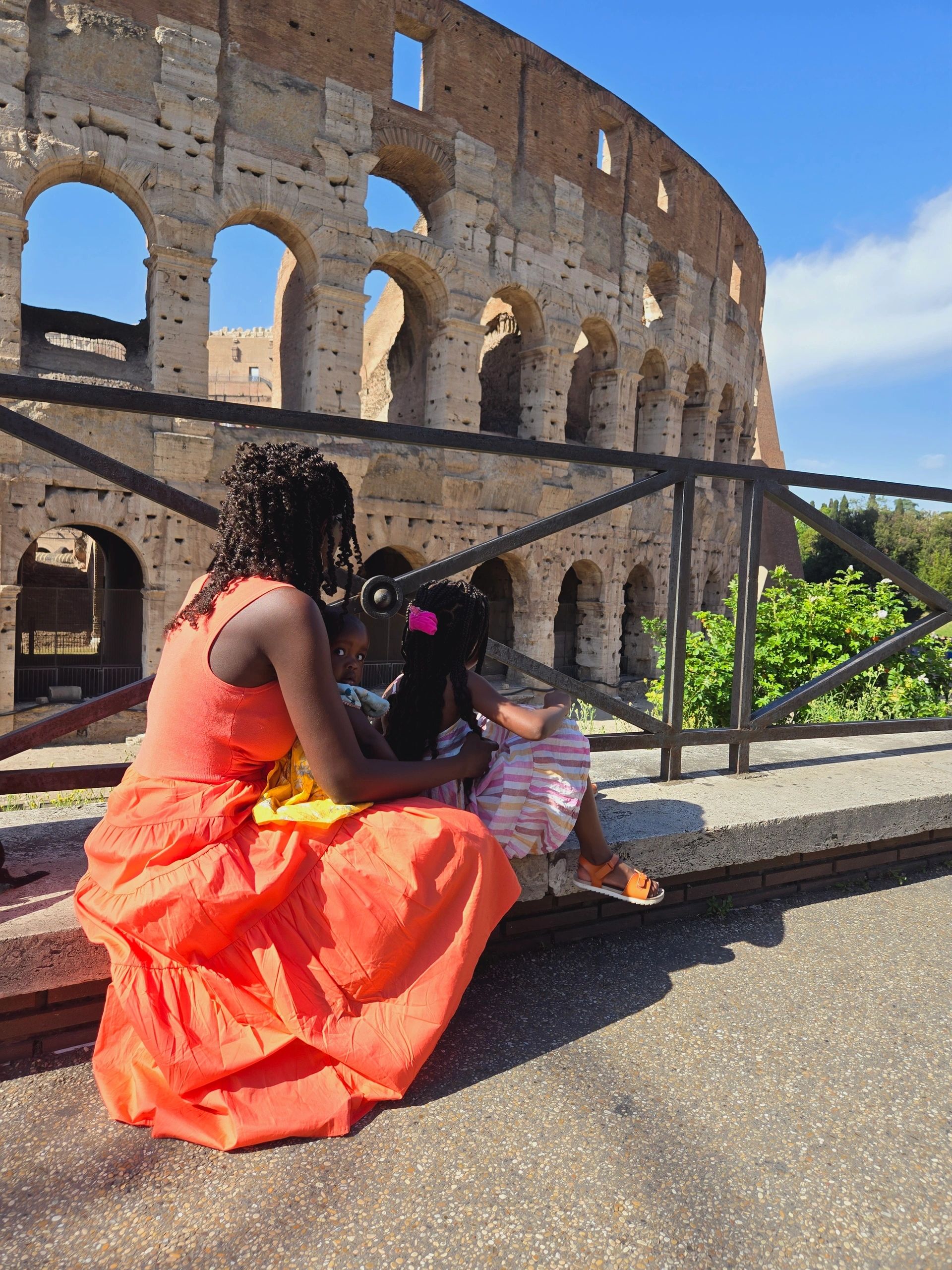
    • Colosseum (my favorite tips are here)
    • Roman Forum
    • Trevi Fountain
    • Gelato stops (part of the plan)

    Easy trips from Rome:

    • Vatican City
    • Ostia Antica (less crowded ruins)

    Why it works:

    • Very memorable experience
    • Food is easy with kids, everyone loves pizza, pasta and gelato!

    Watch out for:

    • Heat + crowds
    • Long walking days

    My take:
    👉 See my Rome guide

    👉 Browse hotels in Rome
    👉 See top family activities in Rome

    Europe or Caribbean with kids: how to choose + where to go

    🌴 Caribbean with kids: what it actually feels like

    Caribbean trips are about simplicity.

    You stay mostly in one place, your days are easier, and you don’t have to plan every step.

    👉 What helps:

    • Less movement
    • Easier meals
    • More downtime

    👉 What to plan for:

    • Choosing the right area
    • Less variety if you don’t leave your hotel

    ⭐ Where to go in the Caribbean

    Punta Cana, Dominican Republic

    What to do:

    • Beach, pool, kids club
    • Resort activities

    Why it works:

    • Everything in one place
    • Very easy first trip

    Watch out for:

    • Can feel repetitive

    My take:
    👉See my Punta Cana guide

    👉 Browse resorts in Punta Cana
    👉 See activities outside of the resort like Saona Island


    Riviera Maya, Mexico

    What to do:

    • Beach + pool
    • Cenotes
    • Tulum ruins, Playa Del Carmen, Isla Mujeres

    Best areas:

    • Playa del Carmen
    • Akumal

    Why it works:

    • Mix of easy + activities

    Watch out for:

    • Need to plan excursions

    My take:
    👉 Best balance between relaxing and exploring

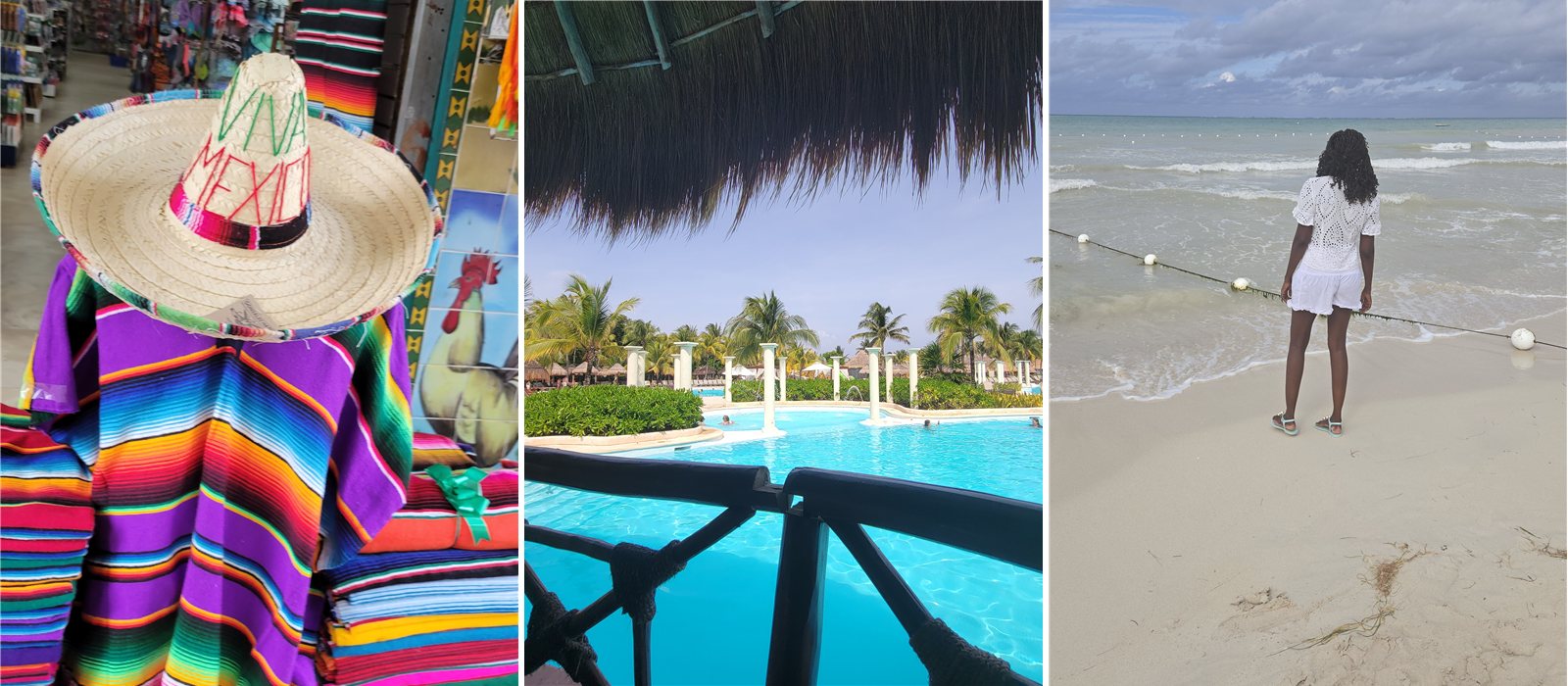
    👉 Browse resorts, my favorite one is the Grand Palladium White Sands
    👉 See activities


    Negril, Jamaica

    What to do:

    • Seven Mile Beach
    • Sunset views
    • Local food

    Extras:

    • Waterfalls, boat trips

    Why it works:

    • Slower pace
    • Great beach setup

    Watch out for:

    • Choose your area carefully

    My take:

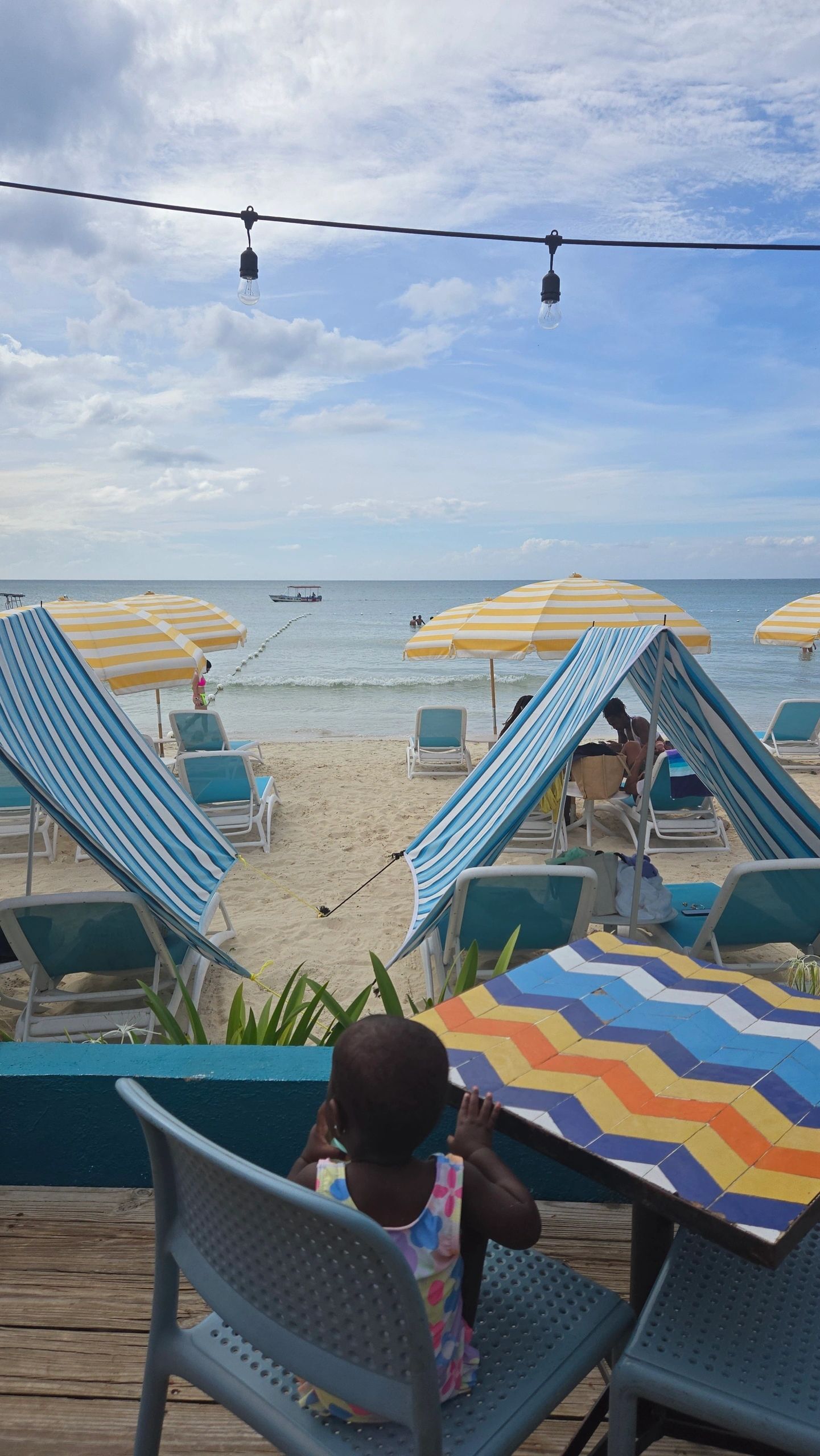
    👉 Browse hotels, my favorite one is Skylark Negril or a bit further the Grand Palladium Jamaica
    👉 See activities

    👉See my guide on how to navigate Montego Bay airport

    👉My Jamaica travel guide


    San Jose, Costa Rica

    What to do:

    • Wildlife
    • Beaches
    • Nature activities

    Why it works:

    • More adventurous

    Watch out for:

    • More planning required

    My take:
    👉 Not a “do nothing” trip

    👉 Browse hotels
    👉 See activities


    Nassau, Bahamas

    What to do:

    • Beaches
    • Atlantis water park
    • Boat excursions

    Why it works:

    • Easy access
    • Good for short trips

    Watch out for:

    • Limited variety over time

    My take:
    👉 Best for shorter stays

    👉 Browse hotels
    👉 See activities

    What I pack for trips like this

    The things I actually use are in my Amazon store: my family beach essentials list and my packing essentials list. And my free pre-travel checklist is the list I use before every trip: you can get it here.

    How to choose

    Before you book, think about:

    • How much energy you have
    • How much you want to plan
    • How your days will actually look

    👉 Europe = more structure, more movement
    👉 Caribbean = easier, slower

    Europe or Caribbean with kids: how to choose + where to go
  • Excursions from Caribbean resorts for families with young kids

    Excursions from Caribbean resorts for families with young kids

    This post contains affiliate links. If you book or buy through them, I may earn a small commission at no extra cost to you.

    Many families travel to the Caribbean for all-inclusive vacations, especially during March break and winter holidays. Resorts are amazing for relaxing, but there are also incredible places to explore outside the hotel.

    If you’re traveling with young kids (babies, toddler, kids under 7), the key is choosing simple, fun excursions that don’t require long travel days or intense activities.

    Here are some of the best family-friendly day trips from three popular Caribbean destinations with my favorite tours linked: Cancun, Punta Cana, and Jamaica.


    Mexico: Cancun and Riviera Maya

    Cancun and the Riviera Maya have many easy excursions that work well for families with young kids.

    Isla Mujeres tour

    A short ferry ride from Cancun takes you to Isla Mujeres, a small island known for calm beaches and relaxed restaurants. Many families rent a golf cart to explore the island for the day.

    Cenotes

    Cenotes are natural freshwater pools surrounded by jungle. Many are easy to access and great for swimming with kids.

    Some cenotes are very accessible with stairs and life jackets. Look for Cenote Azul or Cenote Jardin del Eden

    Tulum ruins and beach

    Tulum is one of the most beautiful archaeological sites in Mexico. After visiting the ruins, families can relax at the beach below. Akumal beach is known for sea turtles. Calm beach where families can swim and snorkel.

    Playa del Carmen

    A simple and fun day trip. Walk along Quinta Avenida (5th Avenue), enjoy restaurants, shops, and the beach.

    Xcaret Park

    A large eco-park with rivers, wildlife, cultural shows, and family-friendly activities. Many families spend the whole day here.


    Dominican Republic: Punta Cana

    Punta Cana resorts offer beautiful beaches, but there are also fun excursions nearby.

    Saona Island

    One of the most popular excursions in the Dominican Republic. Catamaran trips take visitors to a tropical island with shallow turquoise water that kids love.

    Monkeyland

    Kids love interacting with small squirrel monkeys.

    Indigenous Eyes Ecological Park

    Nature reserve with walking paths and lagoons for swimming.

    Macao Beach

    One of the most beautiful beaches near Punta Cana and very relaxed.

    Dolphin Explorer

    Marine park where kids can see dolphins, sea lions, and tropical fish.Jamaica: Montego Bay and Ocho Rios


    Jamaica: Montego Bay / Ocho Rios

    Dunn’s River Falls

    Families climb the waterfall slowly with guides. Many shallow pools for kids.

    Blue Hole

    Small waterfalls and natural pools surrounded by jungle.

    Doctor’s Cave Beach

    One of the best beaches in Montego Bay. Calm and easy for young kids.

    Catamaran cruise

    Short boat trips with snorkeling stops and beach time.

    Martha Brae River rafting

    Very calm bamboo raft ride on the river.

    (Optional backup)
    Negril Seven Mile Beach: soft sand, shallow water.

    Excursions from Caribbean resorts for families with young kids

    What I pack for trips like this

    The things I actually use are in my Amazon store: my family beach essentials list and my packing essentials list. And my free pre-travel checklist is the list I use before every trip: you can get it here.


    Tips for excursions with young kids

    When traveling with babies or toddlers, keep excursions simple and flexible.

    Choose tours that:

    • are less than 1–2 hours away from your resort
    • allow swimming or beach time
    • offer shade and breaks
    • have flexible schedules

    Sometimes the best days include one activity and plenty of beach time.

  • Athens, Greece travel guide: practical tips

    Athens, Greece travel guide: practical tips

    This post contains affiliate links. If you book or buy through them, I may earn a small commission at no extra cost to you.

    Athens, Greece is one of those cities that feels intense, historic, and alive all at once. It is not a place you wing without a bit of prep, especially if it is your first time. This guide brings together practical, real-life tips based on an actual short stay in Athens, including details people usually only learn after they arrive.

    This is not an itinerary. It is everything you need to know before you go.


    Where to stay in Athens

    Best neighborhoods for first-time visitors

    If it is your first time, staying central makes a big difference. Athens is walkable, but it is hilly, and being close to the main sights saves time and energy.

    • Plaka:
      Historic old town. Very charming and central. Close to major sights. Ideal for first-time visitors.
    • Monastiraki:
      Lively and busy. Close to shopping, markets, and transport. Easy access to main attractions.
    • Psyrri:
      Trendy food scene and nightlife. Still walkable to main sights. Better suited for adults than very young kids.
    • Airbnbs and hotels both work well in these areas. The key is choosing the right location, not the type of accommodation.

    Accommodation and local rules to know

    Greece has some habits that surprise many visitors, especially those coming from North America or Western Europe.

    Toilet paper rule

    In many buildings across Greece, you should not flush toilet paper.

    Why this matters:
    Plumbing pipes are narrow, especially in older buildings. Toilet paper can clog the system easily. Blockages can affect the entire building, not just one unit.

    What you will usually see:
    A small bin next to the toilet. Signs reminding you not to flush paper.

    This applies in airbnbs, cafés, restaurants, and sometimes hotels. It feels strange at first, but it is normal and expected.

    Electricity

    Avoid using several large appliances at the same time, such as air conditioning, ovens, kettles, or irons. In some apartments, this can cause a power outage.

    Quiet hours

    Quiet hours are common in residential areas:
    Midday: around 15:30 to 17:30.
    Night: around 22:00 to 07:30.

    Cleaning expectations

    Some airbnbs do not charge a cleaning fee but expect guests to leave the place tidy.

    Water

    Tap water is safe to drink in Athens.

    Greece basics

    • Currency: euro.
      Credit cards are accepted almost everywhere.
      Carry some cash for small cafés and bakeries.
    • Most people speak English.

      Learning a few Greek words goes a long way:
      Kalimera: hello.
      Efharisto: thank you.

    • Life moves at a slower pace. Service is relaxed and not rushed.

    Getting around Athens

    From the airport to the city

    Athens airport is straightforward and easy to navigate.

    Metro:
    Direct metro line from the airport to the city. Cost is 9 euros one way. Trains run about every 30 minutes. This is the easiest and most convenient option for most travelers.

    Taxi:
    Taxis operate on fixed pricing from the airport. This is easier if you have luggage or are traveling with kids.

    Public transportation in the city

    The metro is the best way to move around Athens. It is clean, easy to use, and well connected. A three-day transport pass costs about 20 euros and includes unlimited metro, bus, and tram rides.

    Walking

    Athens is very walkable, and many attractions are close together. However, expect hills and uneven, rocky streets. The city is not very stroller friendly.

    Comfortable walking shoes are essential.

    Taxis and ride services

    Taxis are affordable and widely available. Uber exists but works like a taxi service. Both are useful at night or after long walking days.

    Athens airport tips for departure

    Athens airport has one main terminal. Passport control is split between EU and non-EU lines.

    If you are traveling on a non-EU passport, arrive early. Lines can be long during busy periods. Allow at least three hours before your flight.

    Security

    Security is usually fast and efficient. Shoes stay on. Liquids and laptops stay in your bag. Bins are small but the process is smooth.

    Inside the airport

    The airport is not very large. Food options are limited, so eating before arriving is a good idea. There are no water refill stations, but you can fill bottles in washrooms or buy bottled water. Washrooms are clean.

    Athens, Greece travel guide: practical tips

    What to do in Athens

    Athens offers much more than one landmark. History is everywhere, even without a strict plan.

    • Must see sights:
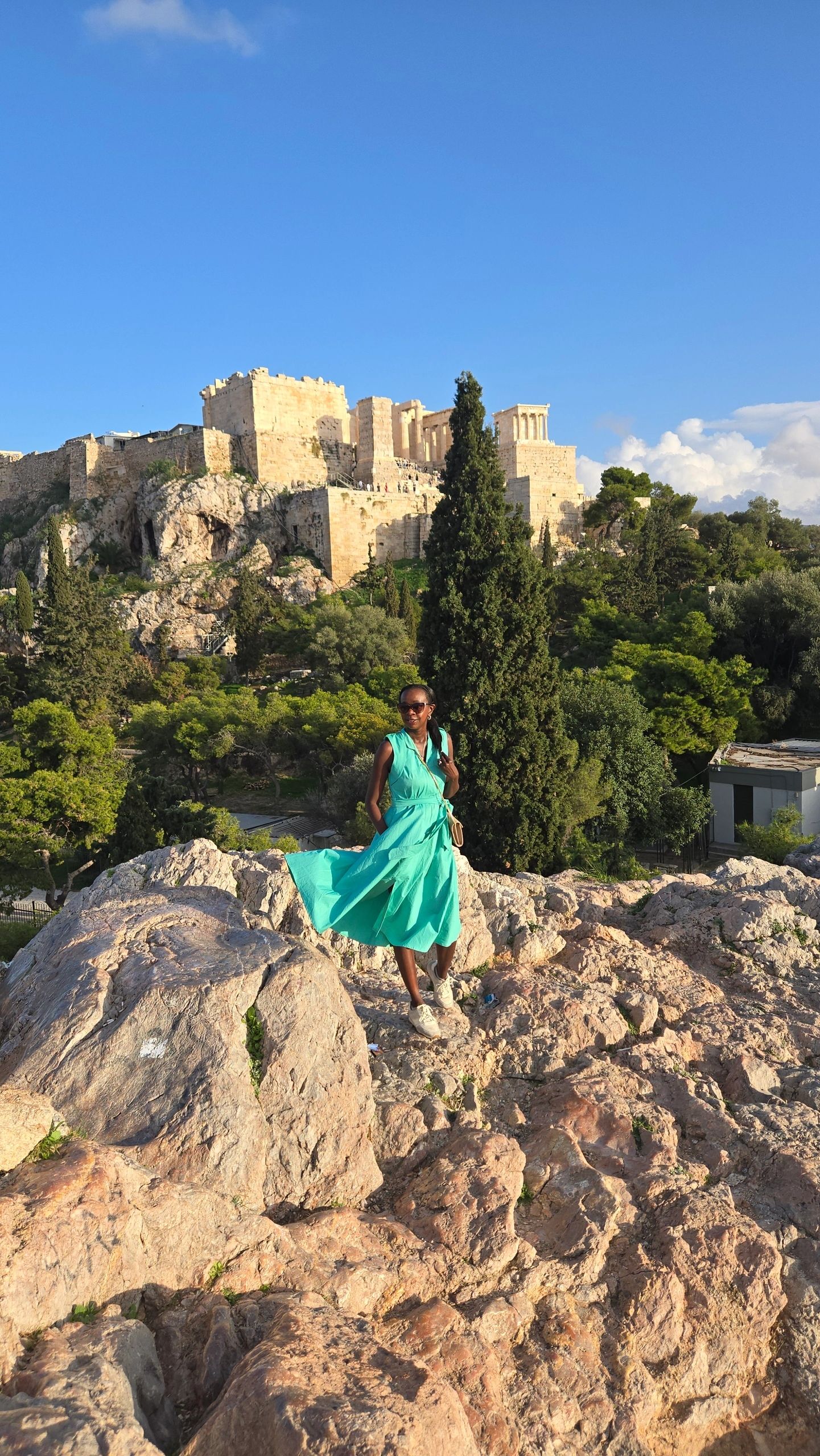
      Acropolis and Parthenon.
      Acropolis museum.
      Roman agora.
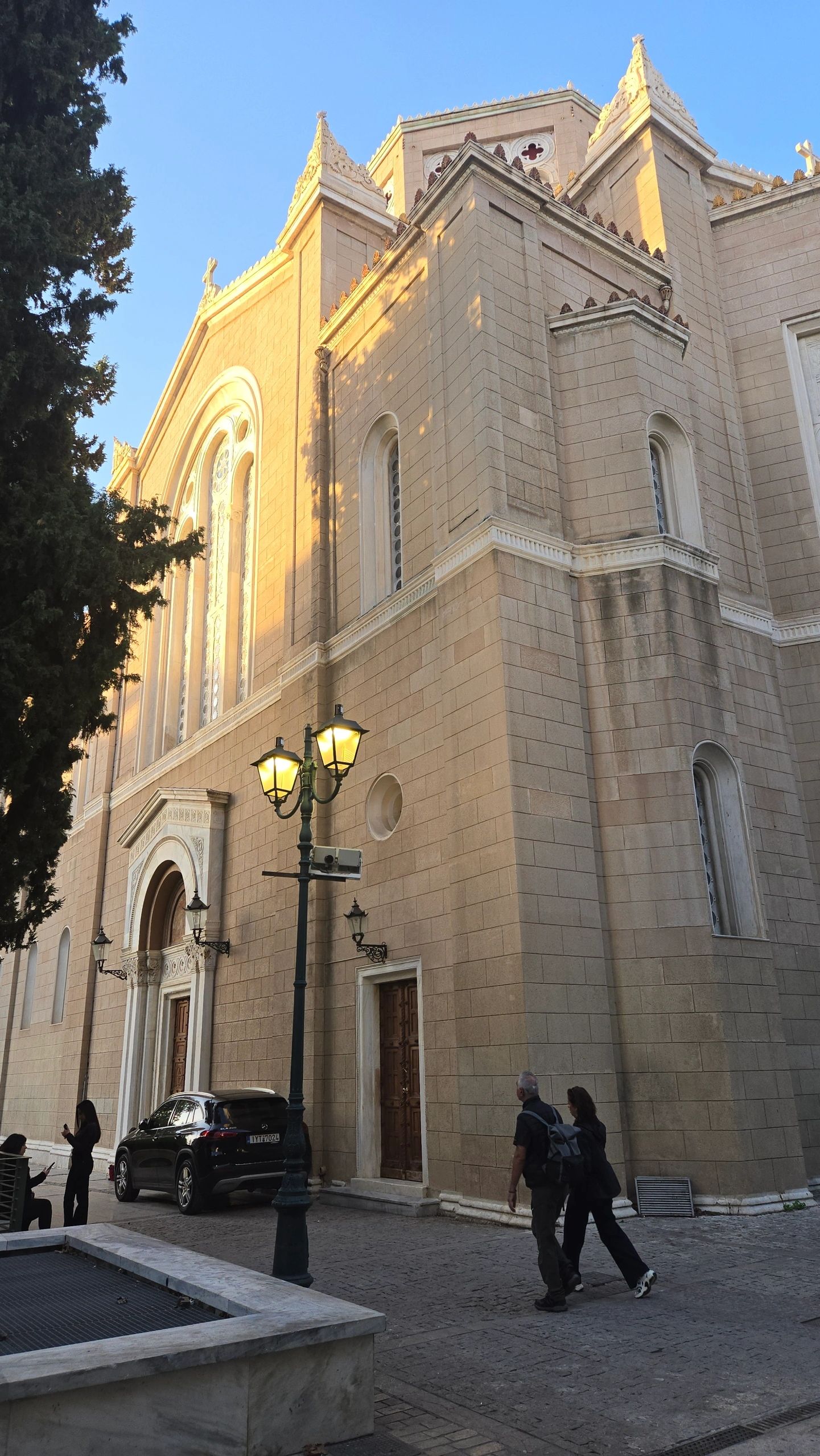
      Historic churches, including the main cathedral.
    • Walking and exploring:
      Wander the streets of Plaka.
      Explore Monastiraki square and the flea market.
      Find city viewpoints for sunset.

    Explore Anafiotika

    Athens, Greece travel guide: practical tips

    Recommended tours and experiences

    If you prefer guided experiences or want to save time, booking tours in Athens can be worth it. These are the types of tours that work well for first-time visitors and short stays. This is where I personally recommend adding Viator affiliate links.

    • Acropolis and Acropolis museum guided tour:
      Ideal if you want historical context without reading plaques. Skip the stress of figuring things out on your own and learn the story behind the ruins.
    • Skip the line Acropolis tour:
      Best during busy seasons. Saves a lot of waiting time and energy, especially if you are short on time.
    • Athens walking city tour:
      Great way to understand the layout of the city, neighborhoods, and main landmarks. Perfect for the first day.
    • Food tasting tour in Athens:
      A fun way to try local dishes like souvlaki, gyros, pastries, and desserts while learning about Greek food culture.
    • Sunset or evening Athens tour:
      Athens feels very different at night. These tours are great for views, atmosphere, and photos.
    • Day trip tours from Athens:
      Good option if you are staying longer and want to see more without planning logistics yourself.

    Food and restaurant tips in Athens

    Must try Greek food

    • Souvlaki: grilled meat on a skewer.
      Gyros: pita with shaved meat, sauce, and fries.
      Tzatziki: yogurt, cucumber, and garlic dip.
      Greek salad: tomato, cucumber, feta, and olives with no lettuce.
      Spanakopita: spinach and feta pastry.
      Moussaka: baked layers of eggplant, meat, and béchamel, similar to lasagna.
      Loukoumades: small fried donuts with honey.

    Restaurant culture

    • Restaurants open late. Lunch usually starts around 12 pm. Dinner often begins after 7 or 8 pm. Many tourist area restaurants stay open all day.
    • Meals are relaxed and unhurried. Tipping is optional but appreciated.

    What I pack for trips like this

    The things I actually use are in my Amazon store: my packing essentials list and my electronic must-haves for travel list. And my free pre-travel checklist is the list I use before every trip: you can get it here.

    Best time to visit Athens

    The off-season and shoulder season are ideal.

    Power and packing tips

    • Greece uses European plugs, type C and F. Bring a European travel adapter.
    • Comfortable walking shoes matter more than outfits.
  • 72 hours in Greece: Athens and Aegina

    72 hours in Greece: Athens and Aegina

    This post contains affiliate links. If you book or buy through them, I may earn a small commission at no extra cost to you.

    f you’re short on time but still want a real Greece experience, this itinerary works well. I spent 72 hours between Athens and the island of Aegina, and it felt full without being rushed.

    Getting to Greece

    I flew direct from Toronto to Athens with Air Canada. The flight is about 10 hours. Landing in Athens, I went straight from the airport to the port instead of staying in the city first.


    From the airport to the ferry

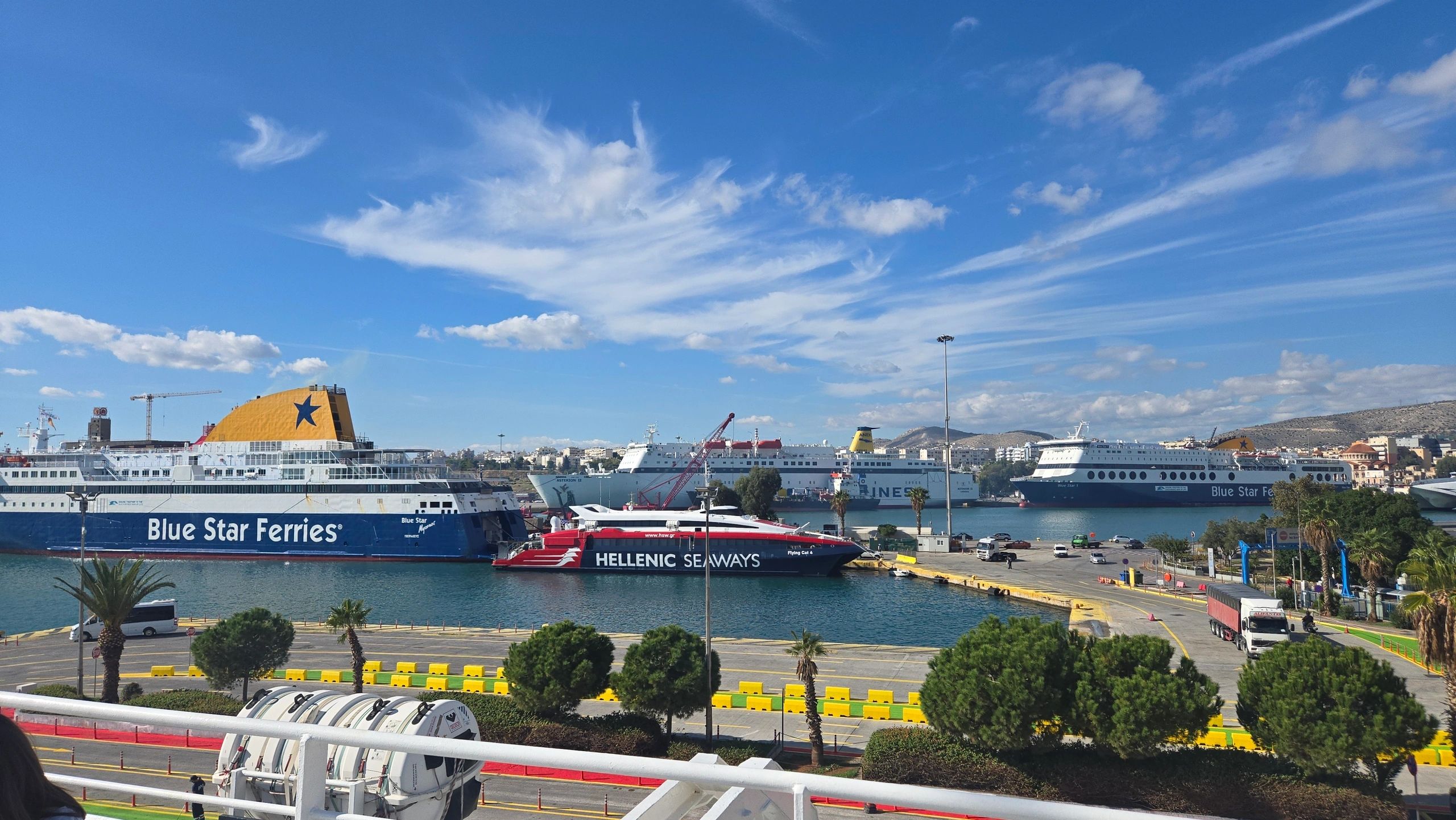
    From Athens airport, you can take the metro for €9 directly to Piraeus Port. It’s simple, affordable, and avoids taxi stress after a long flight.

    From Piraeus, ferries run all day to Aegina.
    • Ferry time: 40–75 minutes
    • Price: €12–18, depending on slow or fast ferry
    • Tickets: buy online or directly at the port
    • Tip: the FerryHopper app is helpful to check schedules

    Important note: when you arrive at Piraeus metro station, there is a bit of walking to reach the ferry terminals. Give yourself extra time, especially if you have luggage or it’s your first time there.

    72 hours in Greece: Athens and Aegina

    Why Aegina is a great choice

    Aegina is one of the closest islands to Athens, which makes it perfect for a short trip or even a day trip.

    On the island, I:

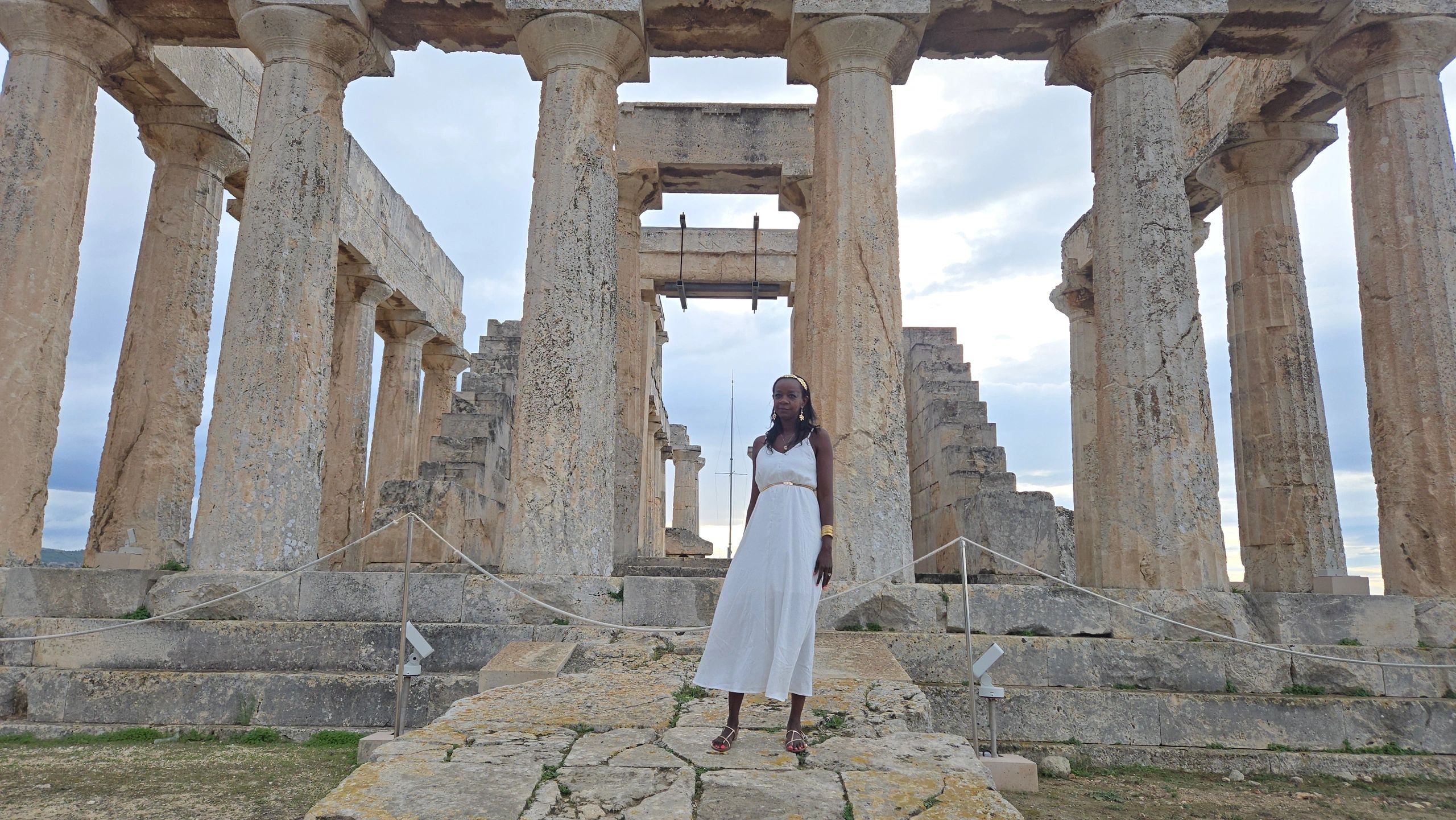
    • Visited the Temple of Aphaia
    • walked around the town and small beaches
    • Ate all the pistachio snacks (Aegina is famous for them)
    • Stayed in an Airbnb
    • Rented a car with friends to explore easily

    The vibe is calm, simple, and not overwhelming.


    Back to Athens

    After Aegina, I spent a full day walking around Athens. Everything is very walkable if you stay in the right area.

    Here’s what I saw:

    If you’re staying in Athens, Plaka, Monastiraki, or Syntagma are the most convenient neighborhoods.


    Greek food I tried (and loved)

    • Moussaka
    • Spanakopita (spinach pie)
    • Gyro
    • Greek salad
    • Baklava
    • Orange cake (Portokalopita)

    Food in Greece is very affordable. Most main dishes were around €8–12.

    What I pack for trips like this

    The things I actually use are in my Amazon store: my packing essentials list and my electronic must-haves for travel list. And my free pre-travel checklist is the list I use before every trip: you can get it here.

    Practical tips

    • Greece uses the Euro (€)
    • Most places accept card and cash
    • Wear comfortable shoes — Athens has hills and uneven streets
    • Aegina works well as a day trip or 1-night stay
    72 hours in Greece: Athens and Aegina
  • 10 tips for Visiting Marrakesh, Morocco

    10 tips for Visiting Marrakesh, Morocco

    This post contains affiliate links. If you book or buy through them, I may earn a small commission at no extra cost to you.

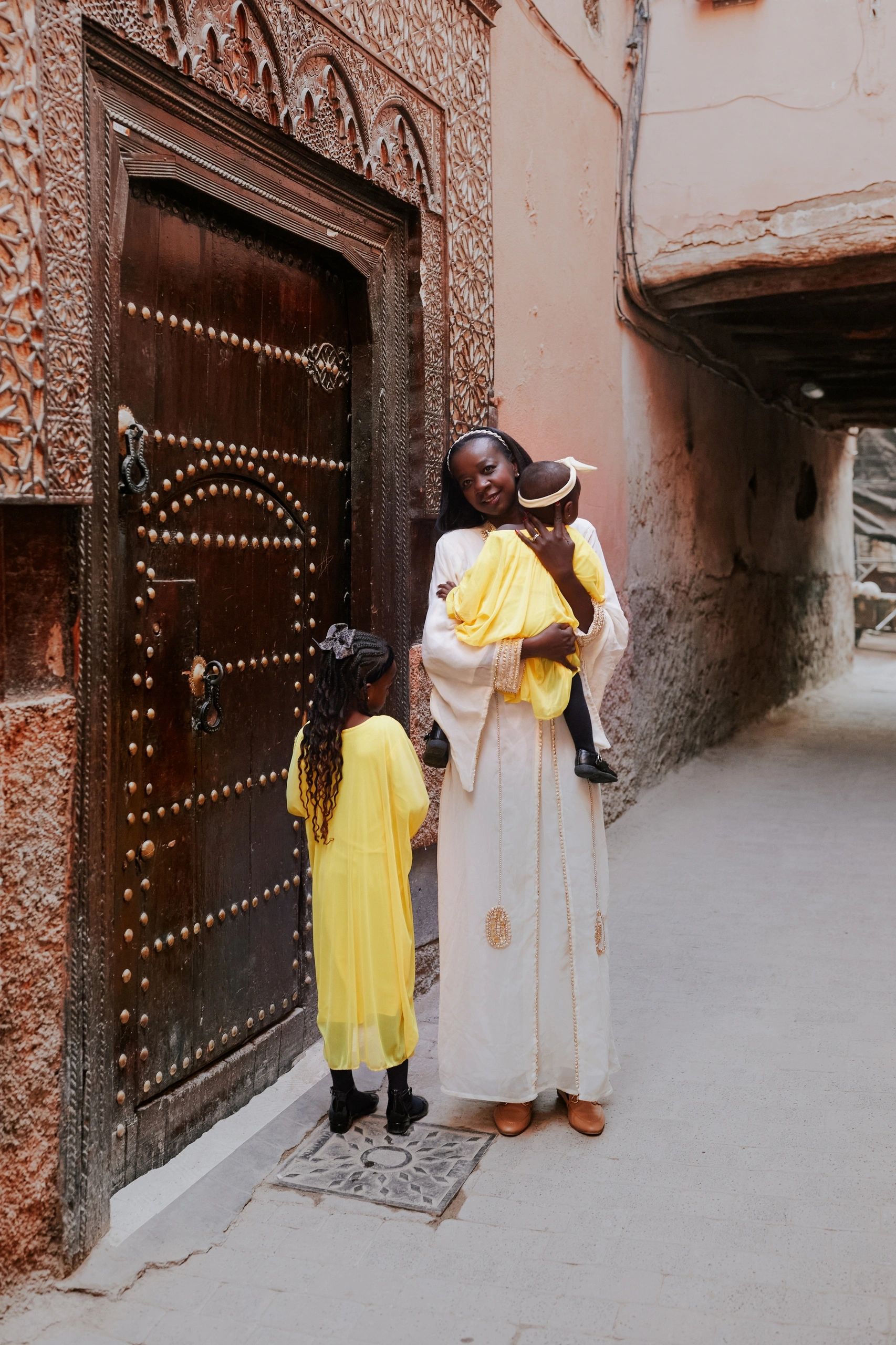
    Marrakesh is one of those places that immediately wakes up your senses. The colors, the sounds, the smell of spices in the medina. It’s lively, intense, and full of character. At the same time, it’s a destination where knowing a few practical things ahead of time makes the experience much smoother, especially if you are traveling with kids.

    Here is what to know before visiting Marrakesh, Morocco.

    What I pack for trips like this

    The things I actually use are in my Amazon store: my packing essentials list and my electronic must-haves for travel list. And my free pre-travel checklist is the list I use before every trip: you can get it here.

    Bring cash

    Cash is essential in Marrakesh. Many small shops, cafés, souks, and taxis do not accept cards.

    You can pay with Moroccan dirhams, but euros are also widely accepted. That said, having local currency makes things easier, especially for taxis, tips, and small purchases. Keep small bills on hand.

    Expect airport bag scanning

    At Marrakesh airport, bags are scanned before entering the terminal and again before leaving. This is normal and part of the airport process.

    Plan extra time on both arrival and departure days so you do not feel rushed.

    Get a SIM card or use an eSIM

    Having internet access makes navigating Marrakesh much easier. Google Maps and WhatsApp are especially useful for getting around and communicating with drivers or accommodations.

    You can buy a local SIM card at the airport or set up an eSIM before traveling.

    Passport control can be slow

    Arrival at passport control can take time, especially during busy travel periods. Lines move slowly, and waiting is normal.

    If you are traveling with kids, have snacks and water ready and plan for a bit of downtime.

    Taxis are easy but save a good contact

    Taxis are everywhere in Marrakesh, but prices are not always fixed. It is best to agree on the price before starting the ride.

    Once you find a reliable taxi driver, save their number. It makes getting around much easier during your stay.

    10 tips for Visiting Marrakesh, Morocco

    The medina is not stroller friendly

    The medina has narrow streets, uneven pavement, and a lot of foot traffic. Large strollers are difficult to use.

    For families, a baby carrier or very lightweight stroller works best. Short walks are easier than long distances.

    Plan bathroom breaks

    Public washrooms are limited, especially inside the medina. Restaurants and cafés are usually the easiest option.

    If you are exploring with kids, plan short routes and regular stops.

    Haggling is part of the culture

    In the souks, prices are not fixed. Bargaining is expected and done in a friendly way.

    Start lower, stay polite, smile, and enjoy the interaction. It is part of the experience, not a confrontation.

    Walking takes longer than expected

    Distances may look short on Google Maps, but walking often takes longer due to crowds, narrow streets, and frequent stops.

    If the map says 15 minutes, plan closer to 30 and enjoy the slower pace.

    Language basics help

    French and Arabic are the main languages spoken in Marrakesh. English is spoken in some tourist areas, but not everywhere.

    Knowing a few French words goes a long way and is often appreciated.

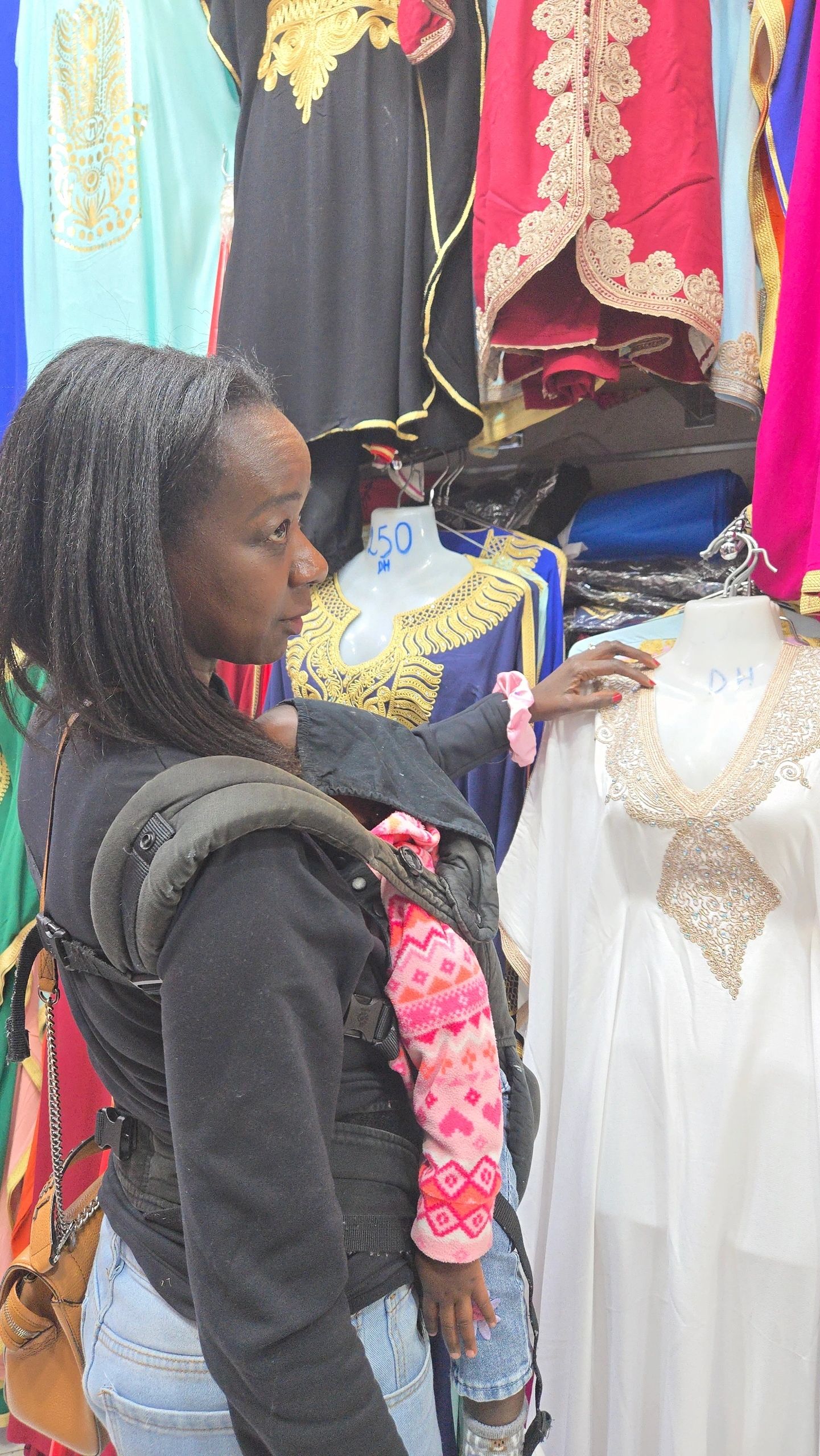
    Souk shopping tips

    Bring cash and small bills

    Take time to check quality before buying
    Do not rush the experience
    Wander smaller alleys for unique finds

    Shopping in the souks is not just about buying things. It is part of daily life and culture in Marrakesh.

    10 tips for Visiting Marrakesh, Morocco

    Final thoughts

    Marrakesh is busy, colorful, and full of life. At first, it can feel overwhelming, but once you understand how things work, the city becomes warm and welcoming.

    With a bit of preparation and an open mindset, Marrakesh is a destination that stays with you long after you leave.